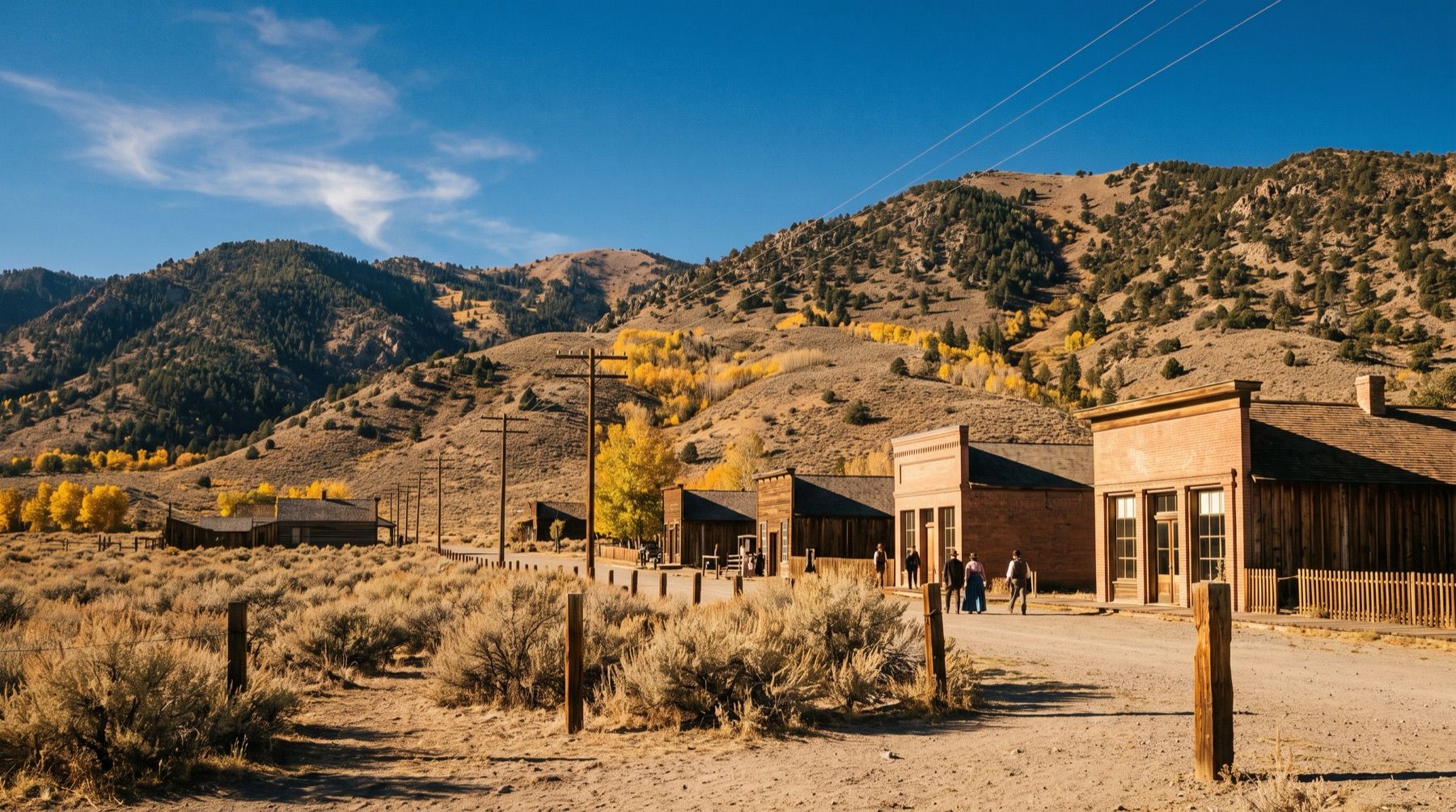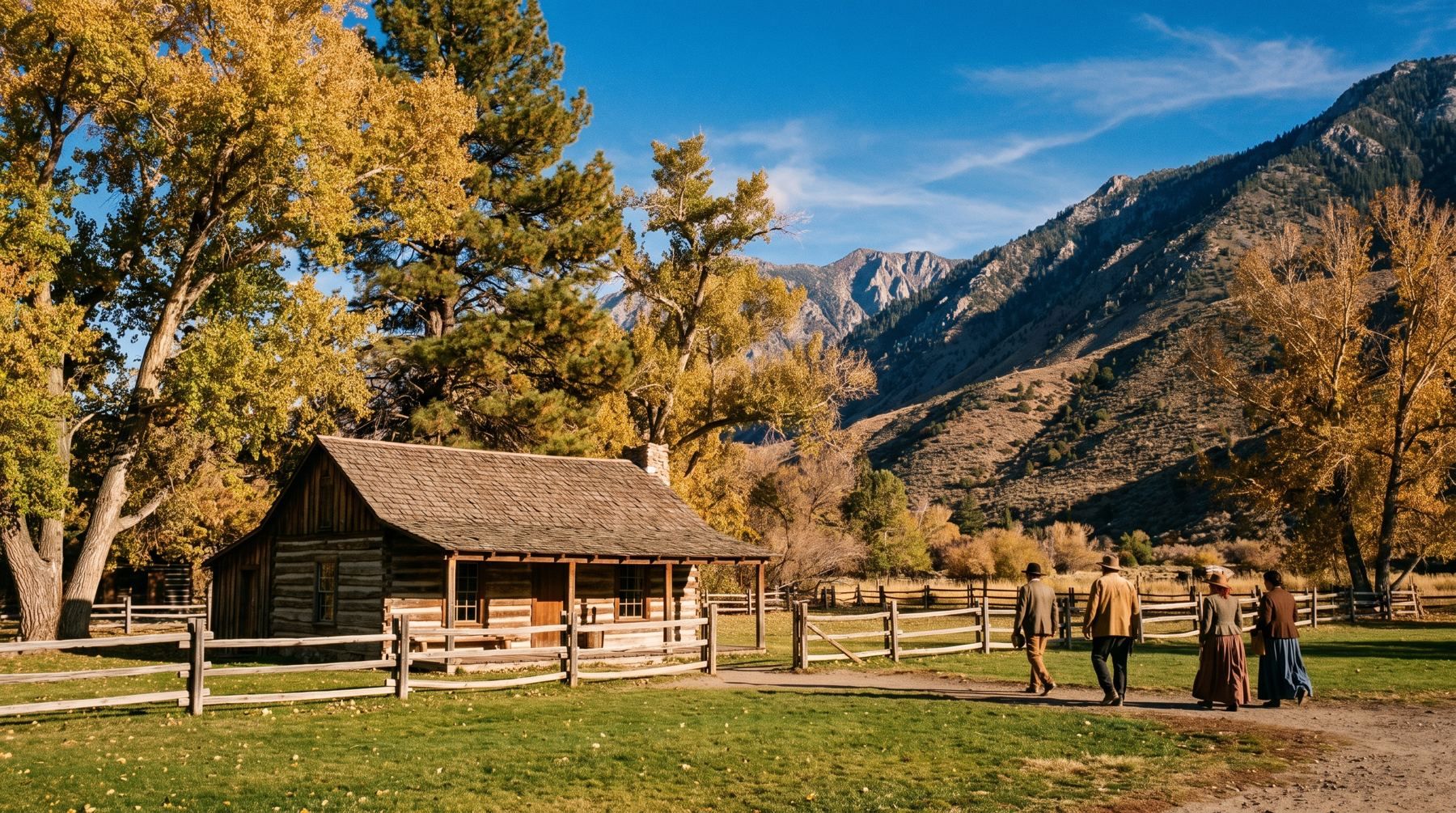
The first version of Mormon Station was not a town, a fort, or even a finished cabin. In the late spring of 1850, Abner Blackburn, Hampton Beatie, and five other men raised four log walls in the Carson Valley, left off the roof, and skipped the floor. It did not rain that summer. Emigrants paid whatever prices the men asked.
By September of 1850, the builders sold the roofless box and headed east. The permanent trading post arrived the next year with merchant John Reese. The original log post burned down in the 1910 Genoa fire, and the replica standing today was built in 1947.
Turnips and Flour on the Carson Route
Gold was discovered at Sutter's Mill in 1848. Soon thousands of emigrants crossed the Great Basin on the California Trail. The last supply stop was Salt Lake City, more than 500 miles away. Before travelers faced the Sierra Nevada, they reached the Carson Valley. Joseph DeMont, Abner Blackburn, and Hampton S. Beatie set up shop there in 1850.
Beatie accumulated more than 100 horses by selling supplies to travel-weary emigrants. But in September 1850, Beatie sold the post and headed back to Salt Lake City. Along the Humboldt River, Native Americans attacked his party. Beatie lost all his horses and supplies. Back in Salt Lake, he took a job in a store owned by John Reese.
Reese saw an opportunity. On July 4, 1851, Reese arrived in the Carson Valley with his nephew, Stephen Kinsey. Reese bought Beatie's old site from a Mr. Moore for between $15 and $20. He secured the remaining land from Captain Jim of the Washoe Tribe for two sacks of flour.
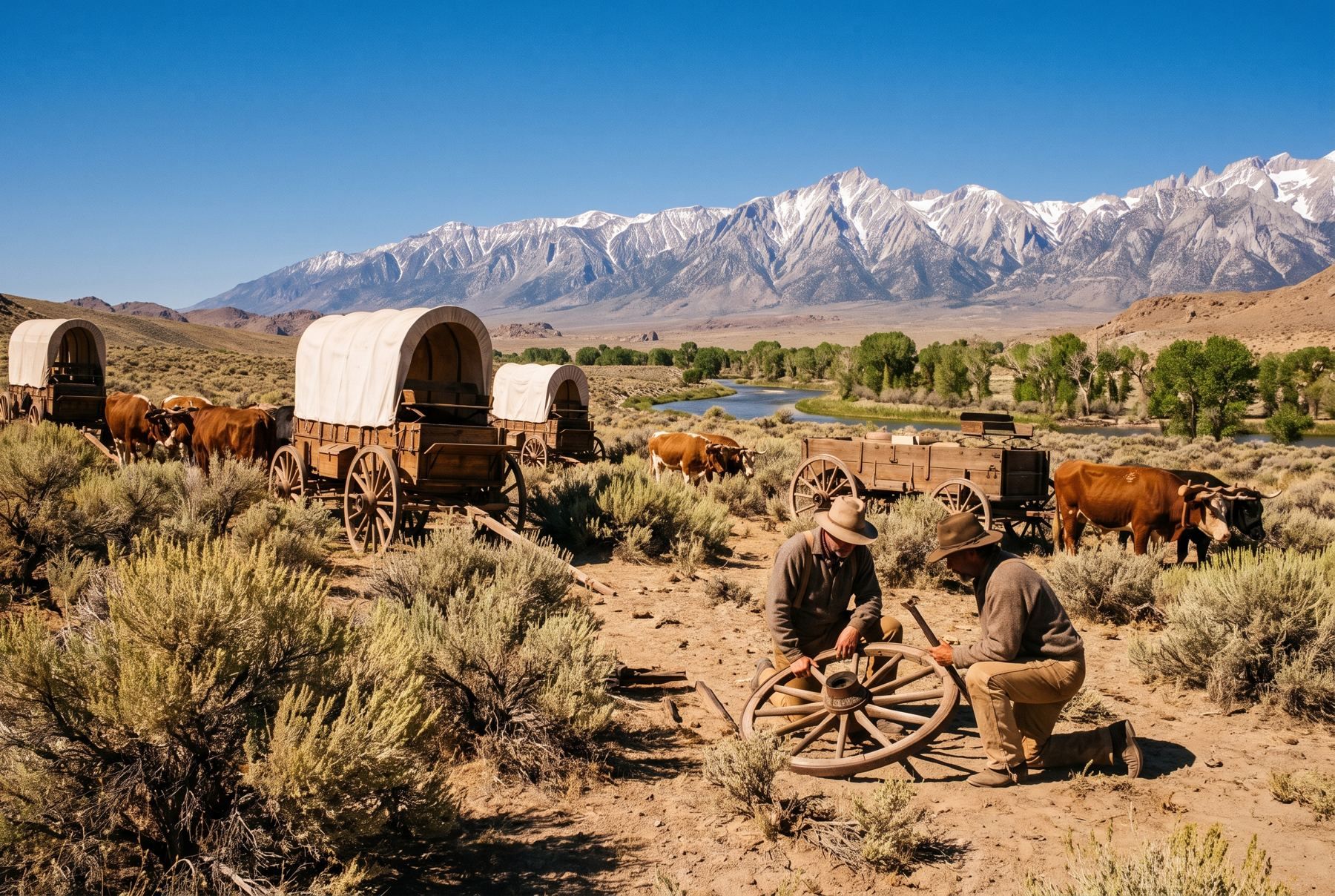
Reese fenced and plowed 30 acres for seed. He erected a combination store and hotel out of logs, followed by a blacksmith shop to repair emigrant wagons. Prices were steep. Desperate travelers paid $1 per bunch for Reese's turnips. Emigrants also rested stock on grass cut along the river before climbing the mountains.
A County Formed, an Army Approaching
As more settlers arrived, Reese helped organize a squatter's government. The settlement did not follow the laws of Utah Territory. Non-Mormon settlers resisted distant rule from Salt Lake City, which they considered theocratic. In response, Utah officials organized Carson County to assert authority.
Brigham Young appointed Mormon Apostle Orson Hyde to serve as probate judge and spiritual head. Hyde changed the name from Mormon Station to Genoa, naming it after Genoa, Italy. He conducted a boundary survey and planned elections. Sixty new Mormon families arrived in 1856, which heightened friction with non-Mormon residents.
John Reese sold bunches of turnips to desperate trail travelers for $1 each at his 1851 Carson Valley trading post.
The Mormon era in Genoa ended suddenly. In 1857, Brigham Young recalled all outlying church members to Salt Lake City to defend against the advancing U.S. Army. Most Mormon families abandoned their homes. Non-Mormons quickly seized the vacated properties, ending church oversight of the town.
Even after the exodus, Genoa remained an important regional crossroads. Emigrants bought produce from some of the earliest cultivated gardens in the region. Between 1860 and 1861, riders for the Pony Express passed through on their 18-month run. Riders later switched to the Daggett Trail, now Kingsbury Grade.
Fires, Bricks, and the 1916 Move
Nevada became a territory in 1861 under Governor James Nye, who chose Carson City as capital. On October 31, 1864, Nevada entered the Union as the thirty-sixth state. Genoa remained an active freight stop, fueled by traffic from the Comstock Lode.
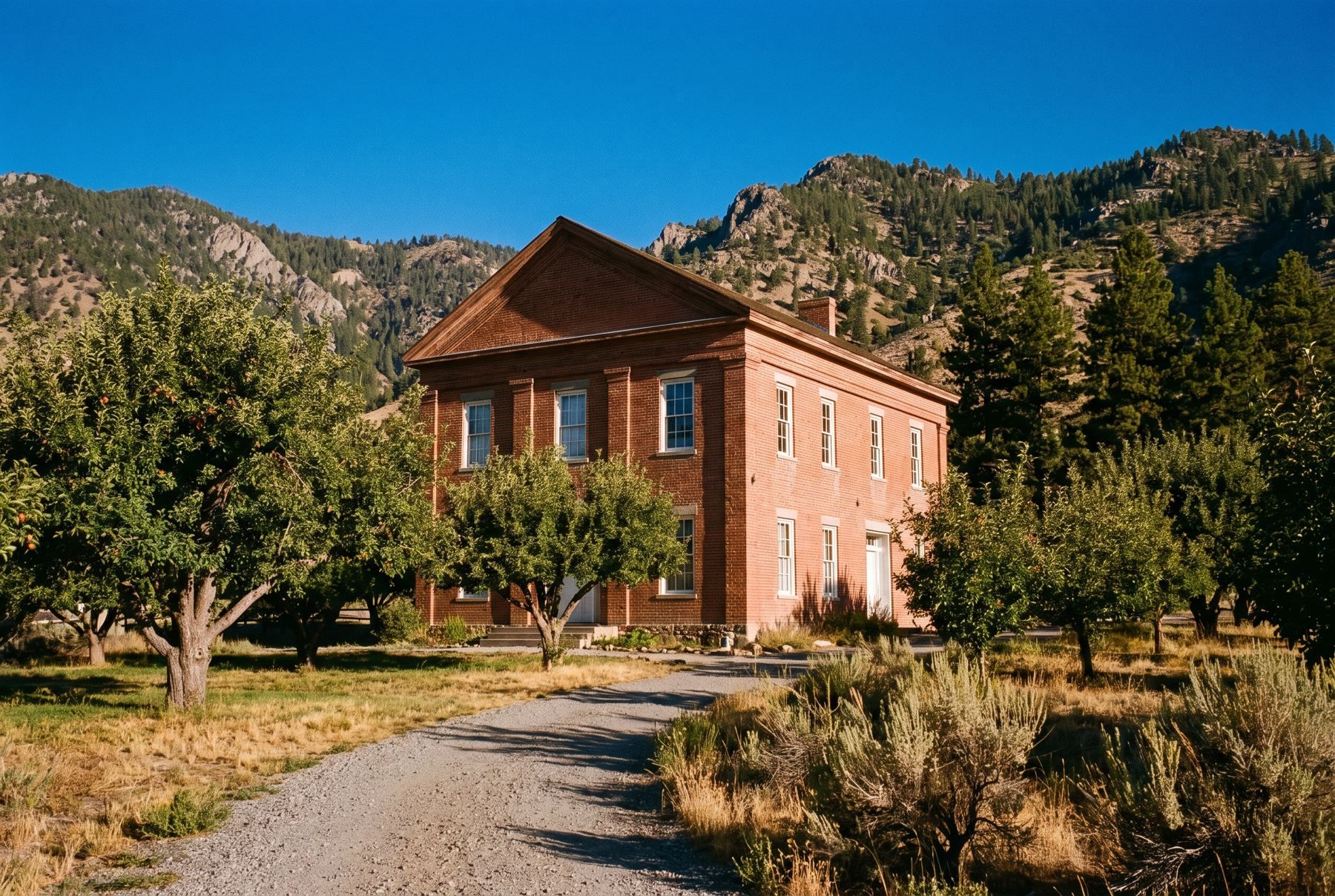
Stephen Kinsey stayed behind when others left. Between 1855 and 1856, he built a three-story brick home for his wife Sarah. The house is a gable-front, side-hall Greek Revival building. Kinsey served as the first county recorder and published the first newspaper in Nevada. In his orchard, he built an outdoor dance floor for community gatherings.
Stephen and Sarah Kinsey lived in Genoa until their deaths in the early 1900s. Other landmarks met harder ends. In 1910, the Genoa Fire swept the settlement, destroying the Rice Hotel and the original 1851 Mormon Station log post.
Commerce shifted across northern Nevada after the Central Pacific Railroad bypassed the settlement. In 1916, Douglas County moved the county seat from Genoa to Minden. Genoa lost its administrative standing, settling into life as an agricultural community.
Mormon Station and Genoa Today
Genoa is 36 miles from Reno in a straight line. Drivers heading south check road conditions and cameras along US-395 conditions and cameras before turning west toward the Sierra foothills. It makes an easy stop alongside a Carson City day trip from Reno.
Today, the settlement centers on Mormon Station State Historic Park, established in 1957. The park is located at 2295 Main Street in Genoa. Park grounds stay open 24 hours a day, 365 days a year, with free admission. A reconstructed log stockade, wagon shed, and a 1947 replica of the 1851 trading post stand on the property.
Inside the reconstructed post, a museum displays original pioneer-era artifacts. Museum admission costs $1.00 for adults, while children 12 and under enter free. From May through September, the museum opens daily from 10 a.m. to 4 p.m. From October through April, hours run from 11 a.m. to 3 p.m., closed Tuesdays and Wednesdays.
Visitors can walk a half-mile accessible interpretive path covering a century of local history. The grounds include the Campbell Homestead with an apple orchard, a chicken coop, and a restored 1908 blacksmith shop. The Arribalsaga-Campbell House, built in 1948, stands near the demonstration garden. In 2025, the state acquired the adjacent 1856 Kinsey House, expanding park grounds. More regional history can be found in our collection of Nevada stories.