On October 26, 1864, a telegraph operator in Carson City tapped out the first words of a 16,543-word legal document. With the presidential election less than two weeks away, Abraham Lincoln needed Nevada admitted to the Union, but copies sent by stagecoach and sea had vanished into transit.
To make the deadline, Territorial Governor James W. Nye ordered the entire state constitution sent across the continent by wire. The transmission shut down military dispatches in Washington, ran up an unprecedented commercial bill, and delivered the longest telegram in history up to that time.
A Rushed Path to Statehood
Congress passed an enabling act for Nevada statehood, and Lincoln signed it on March 21, 1864. The national government needed loyal support during the Civil War. Territory leaders knew that a Republican state could secure electoral votes and back constitutional amendments banning slavery.
An earlier constitution had failed on January 19, 1864, when voters rejected it by a margin of 8,851 to 2,157. Mining taxes had driven much of that opposition. Delegates convened a second constitutional convention from July 4 to July 27, 1864, to rewrite the charter.
The delegates adapted California's 1849 constitution onto 44 handwritten sheets measuring 17 by 24 inches. William M. Gillespie, secretary of the convention, signed the pages alongside the delegates. The text banned slavery, yielded federal public lands, and taxed only the net proceeds of mines.
Voters backed the revised charter on September 7, 1864, by a tally of 10,375 to 1,184. Officials counted and certified the ballots on September 27. Governor Nye dispatched the certified returns and copies of the text east using the Overland Mail.
The Missing Mail and the Wire
On October 24, 1864, Nye received bad news by wire. Washington had received the vote tallies, but the mailed constitution had not arrived. Lincoln refused to proclaim statehood without inspecting the complete founding text.
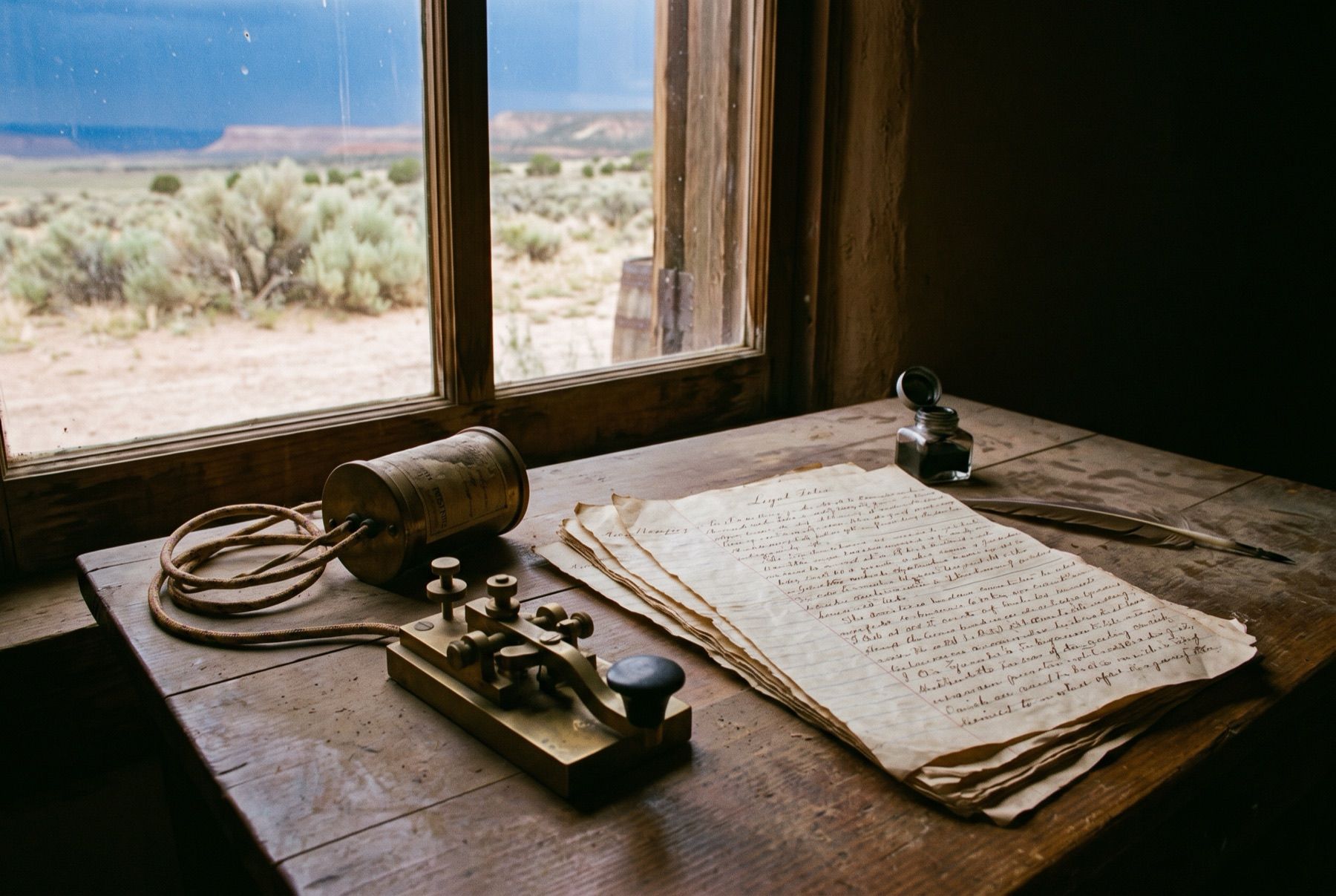
Horace Carpentier, general superintendent of the Overland Telegraph Company's district from Placerville to Salt Lake City, proposed an extreme alternative. He suggested telegraphing the entire document directly to the capital.
James H. Guild, recognized as the best operator for the California Telegraph Company, sat down at the Carson City key on October 26, 1864. Guild worked seven hours just sending the opening sections over the wire to Salt Lake City.
The 16,543-word transmission tied up the Office of the U.S. Military Telegraph in the War Department for more than five hours.
Because no single line spanned the continent, operators transcribed and repeated the message at Salt Lake City, Chicago, and Philadelphia. In Washington, receiving clerks produced a handwritten 175-page transcription. The transmission finished two days later, on October 28, around 10:45 p.m.
Proclamation by Midnight Wire
The final page tallied the transmission bill at $4,303.27, equal to about $84,363 in 2023 currency. Secretary of State William Seward wired the official presidential proclamation back west on October 30.
Nye was away campaigning for Lincoln when Seward's cable reached Carson City at 9:00 p.m. Operators routed the text to Unionville, where Nye read it and responded at midnight. He ordered an immediate local proclamation to make statehood official on October 31, 1864.
Eight days later, Nevada voters turned out for Lincoln. The new state earned its nickname, "Battle Born," as one of only two states admitted during the Civil War.
Carson City and the Living Document
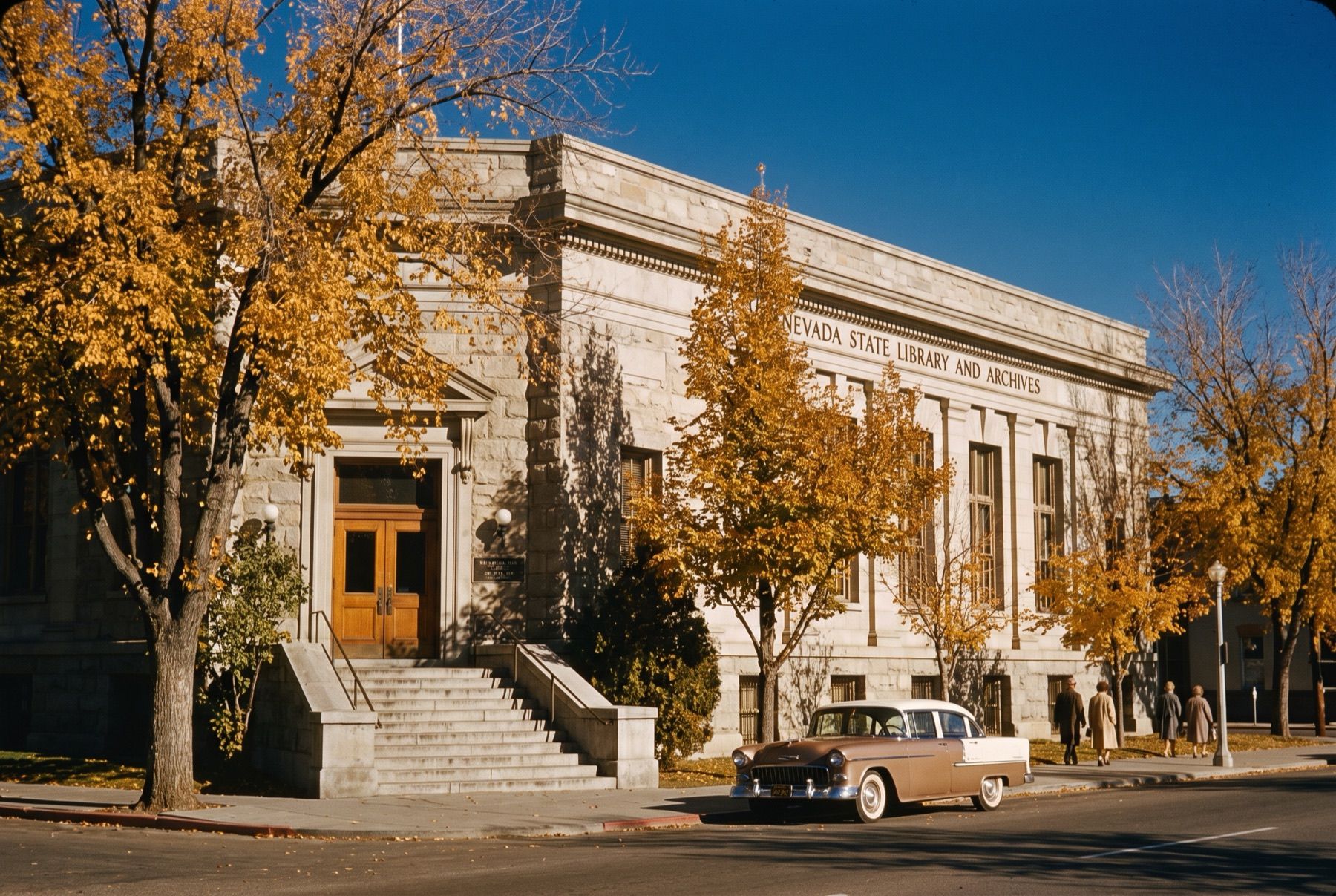
The 1864 constitution remains Nevada's governing law today. The original manuscript rests in a secure vault at the Nevada State Archives in Carson City, located 25 miles south of Reno in a straight line.
Visitors planning a Carson City day trip from Reno can view a facsimile of the 44-page document on the second floor of the Nevada State Library and Archives building. Drivers heading south take the highway corridor tracked on US-395 conditions and cameras.
Every autumn, Carson City marks the midnight wire transmission. The annual Nevada Day Parade in Carson City takes over North Carson Street to mark the October 31 admission, while readers can explore more regional history among the Nevada stories collection.