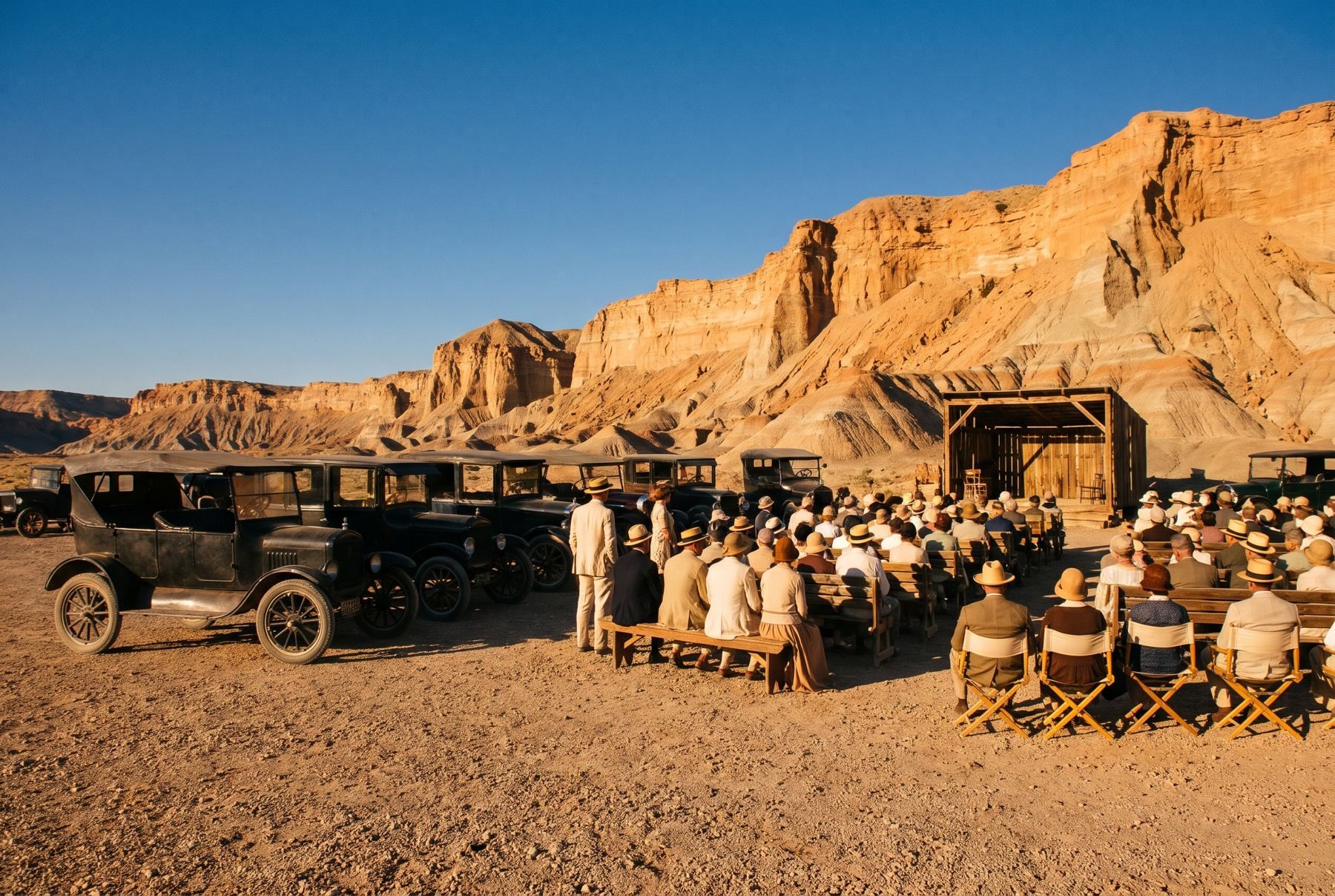
In the 1920s, early motorists steered across southeastern Nevada gravel to gather beneath fluted clay spires. They came for open-air vaudeville performances and theatrical pageants staged directly against the eroding cliffs of Cathedral Gorge.
When Nevada began formalizing its public recreation grounds, that open-air stage took priority. In March 1925, the state legislature designated 15 recreational sites. Cathedral Gorge was placed under the administration of the Cathedral Gorge Pageant Association, arguably making it Nevada's first state park.
The Pageant Association and the 1925 Reserves
Governor James Scrugham initiated the park system in 1923 by proposing State Recreational Grounds and Game Refuges. The 1923 Nevada Legislature backed his plan by passing AB 104.
By March 1925, 15 separate areas received state designation. The State Fish and Game Commission took over management of nearly all of them.
Cathedral Gorge became the lone exception. The state handed its administration to the local Cathedral Gorge Pageant Association to support the crowds arriving by car for theatrical shows.
Today, Cathedral Gorge is the only one of those original 15 designated areas that still survives as a state park. Its story stands apart in the wider record of Nevada stories across the Great Basin.
Ash Beds from the Caliente Caldera Complex
The landscape that hosted those 1920s audiences had violent geological beginnings. Tens of millions of years ago, explosive volcanic eruptions deposited layers of ash hundreds of feet thick across the region.
The primary source of this ash was the Caliente Caldera Complex, located south of Cathedral Gorge. Each eruption laid down additional ash over tens of millions of years.
About five million years after the volcanic activity ended, the earth shifted. Block faulting fractured the bedrock, allowing the opposing sides to slip past each other and forming Meadow Valley.
Over time, that basin filled with fresh water to create a lake. Continual rains washed exposed pumice and ash into the water, accumulating thick beds of silt, clay, and volcanic ash.
Cathedral Gorge is the only one of Nevada's 15 original 1925 recreation areas that still exists as a state park today.
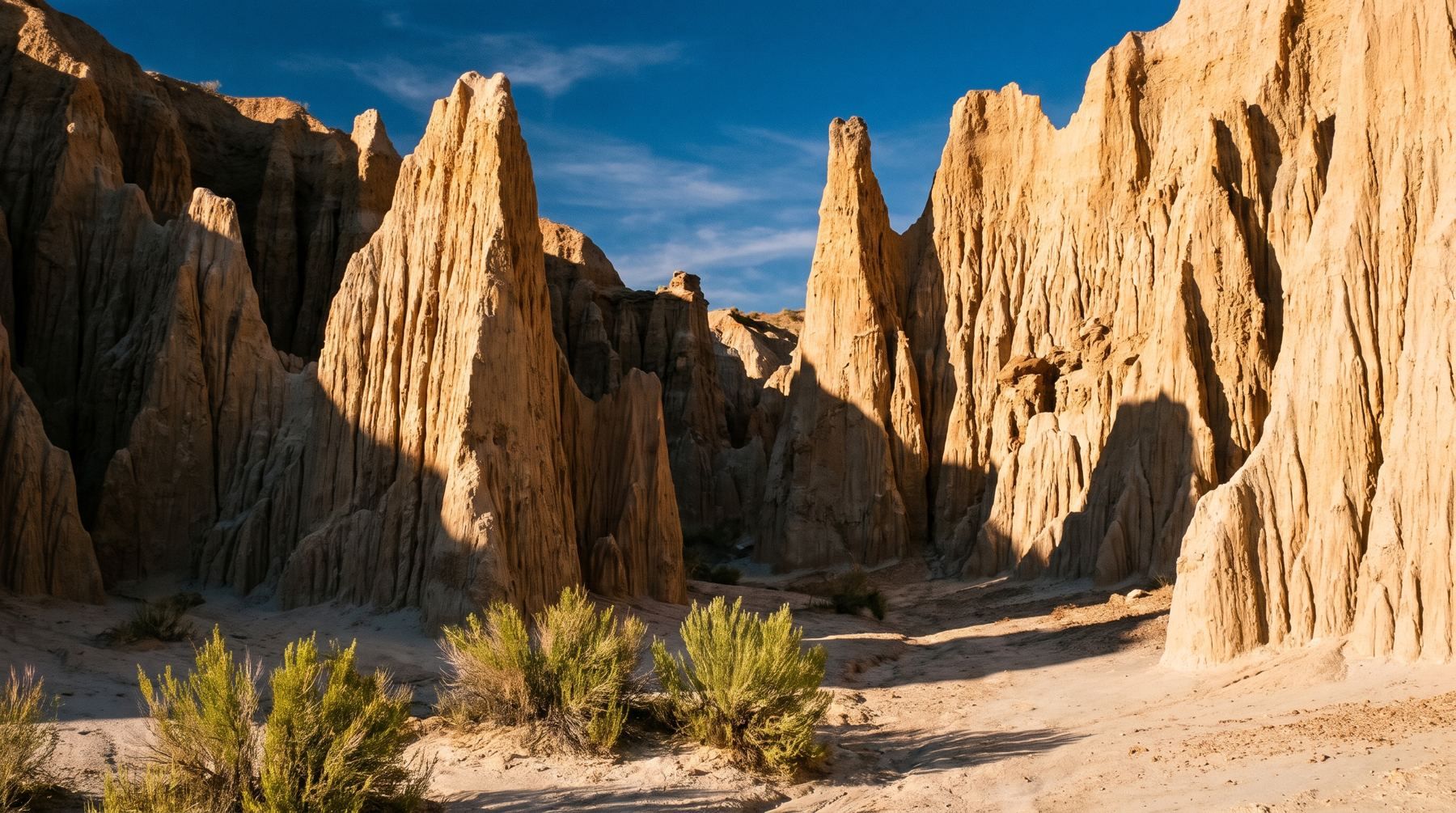
When additional block faulting caused the lake to drain, the exposed sediments met wind and rain. The soft bentonite clay quickly carved into slot canyons, sharp fins, and fluted spires.
Because bentonite clay turns soft whenever rain storms pass, the canyon walls continue to shift shape after weather events. Slope vegetation cannot grow on the rapidly eroding outcroppings.
From Pioneer Trails to Civilian Conservation Corps Stone
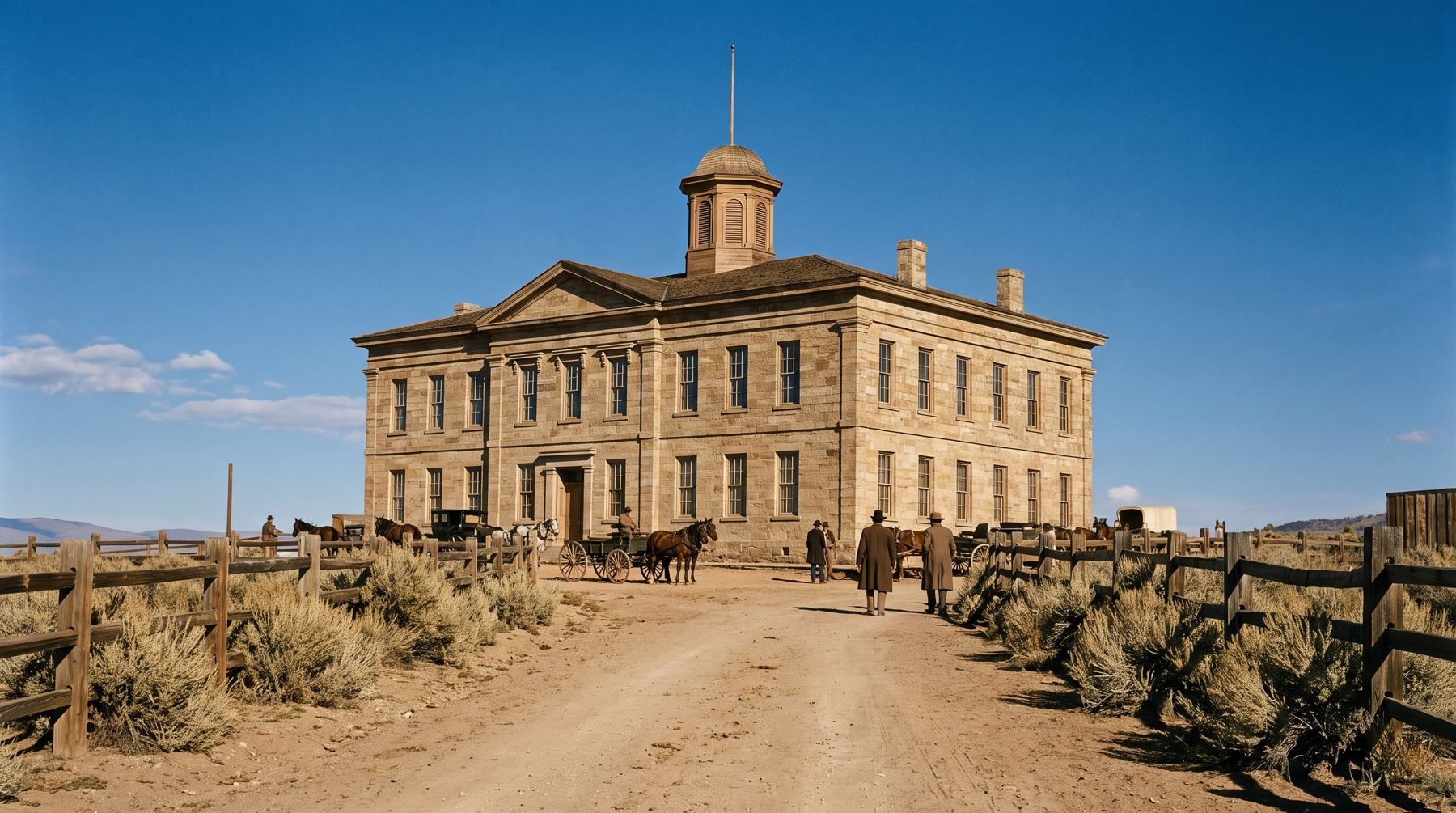
Fremont, Anasazi, and Southern Paiute people lived on these lands long before European arrival. In the late 1800s, early pioneers settled nearby Lincoln County valleys for mining and agriculture.
Automobile travel expanded in the 1920s, bringing regional travelers off dirt roads and onto the canyon floor. Governor Scrugham set aside the area for preservation in 1924.
A decade later, during the Great Depression, federal work programs altered the park. Scrugham helped secure Civilian Conservation Corps companies for Nevada in 1933, deploying workers to build roads and facilities.
Similar CCC crews worked at Valley of Fire and built nearby recreation sites at Beaver Dam and Kershaw-Ryan. Cathedral Gorge became one of Nevada's first four state parks in 1935.
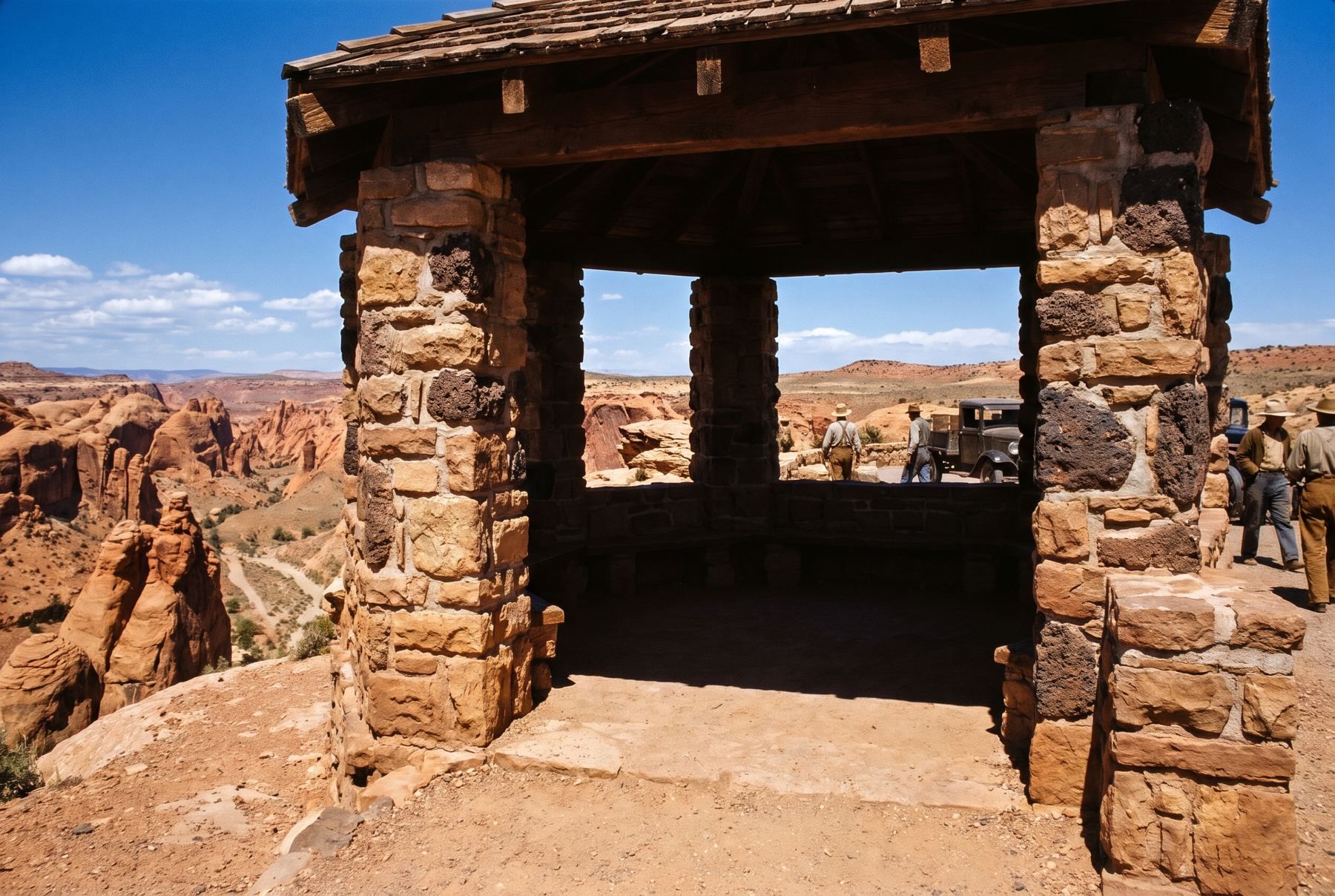
The CCC built stone picnic facilities with masonry fire pits and a shade ramada in the 1930s. Those picnic structures remain in use today.
Crews also built a stone water tower and stone restrooms near the day-use area, which stand retired from active service. At Miller Point Overlook, the CCC constructed a stone gazebo viewing platform above the slot canyons.
Visiting Cathedral Gorge Today
Today, Cathedral Gorge State Park protects close to 2,000 acres at an elevation of 4,800 feet. The park sits 315 miles from Reno in a straight line, located along U.S. 93 just north of Panaca.
Travelers planning a long trip across eastern Nevada can check US-50 conditions and cameras before crossing the central valleys. The site provides a natural route extension for those driving to Ely and Great Basin National Park from Reno.
The park is open 24 hours a day, 365 days a year. A regional visitor center off U.S. 93 operates daily from 9 a.m. to 4:30 p.m., closing only on winter holidays.
Day-use entrance fees are $5.00 per vehicle for Nevada residents and $10.00 for non-Nevada vehicles. Visitors entering by bicycle pay $2.00 per bike.
The campground offers 22 sites, each furnished with a shade ramada, grill, and picnic table. Campsites cost $15.00 per night for Nevada residents and $20.00 for out-of-state visitors, with an extra $10.00 fee for utility hookups.
Flush restrooms and showers remain open year-round. Camping stays are restricted to 14 days within any 30-day period, and quiet hours run from 10 p.m. to 7 a.m.
Hikers can explore the terrain on a four-mile loop trail into remote sectors. Another one-mile trail connects the Miller Point overlook to the picnic area.
Along the trails, visitors encounter dark, bumpy crusts of cryptobiotic soil made of lichens, mosses, and algae. These fragile desert crusts stabilize the bentonite and can take 100 years to recover if damaged.
Summer daytime temperatures reach 95°F at mid-day before dropping to 55°F at night. Desert wildlife active in the park includes black-tailed jackrabbits, kangaroo rats, mule deer, kit foxes, and Nevada's state bird, the Mountain Bluebird.