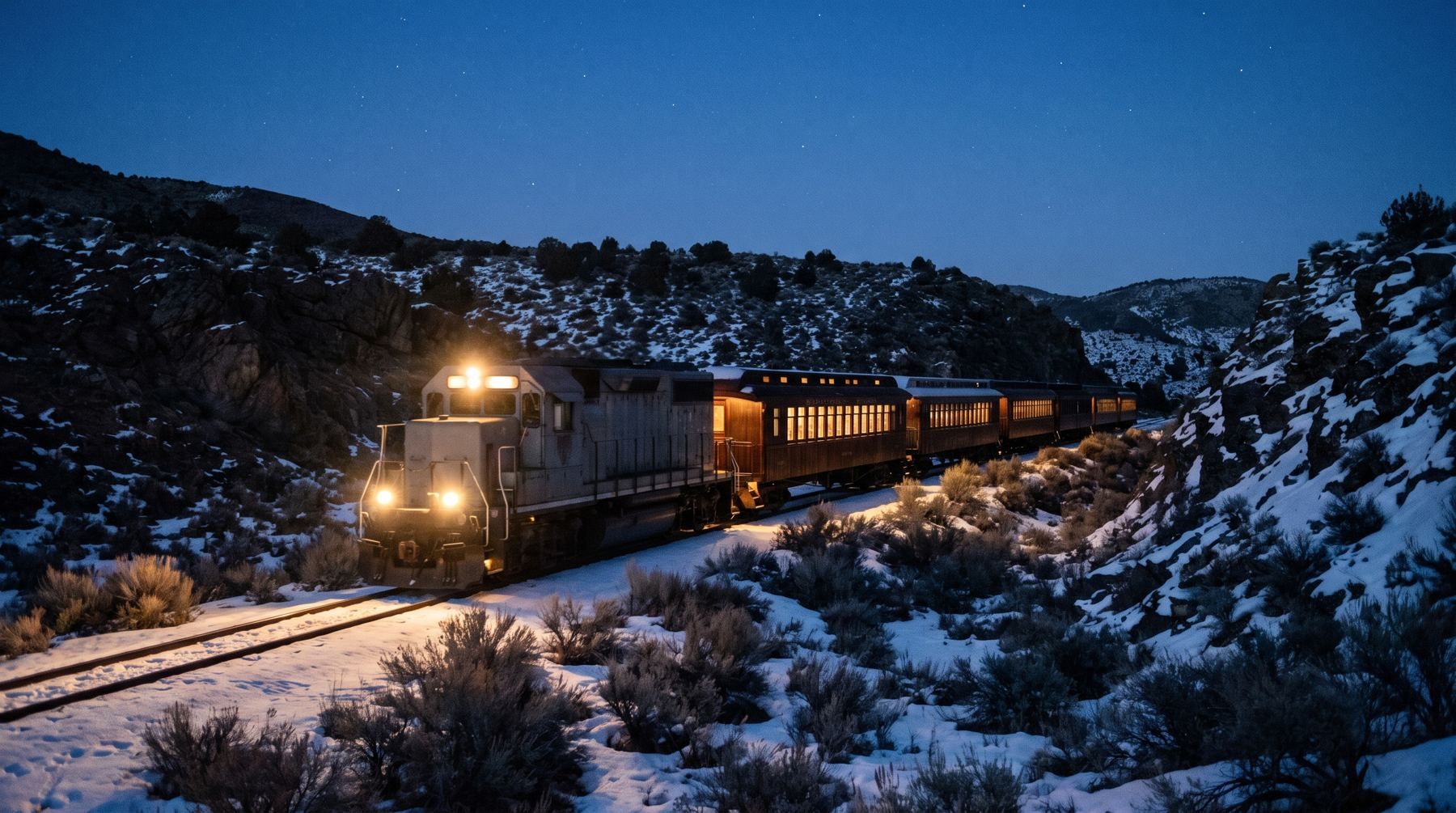
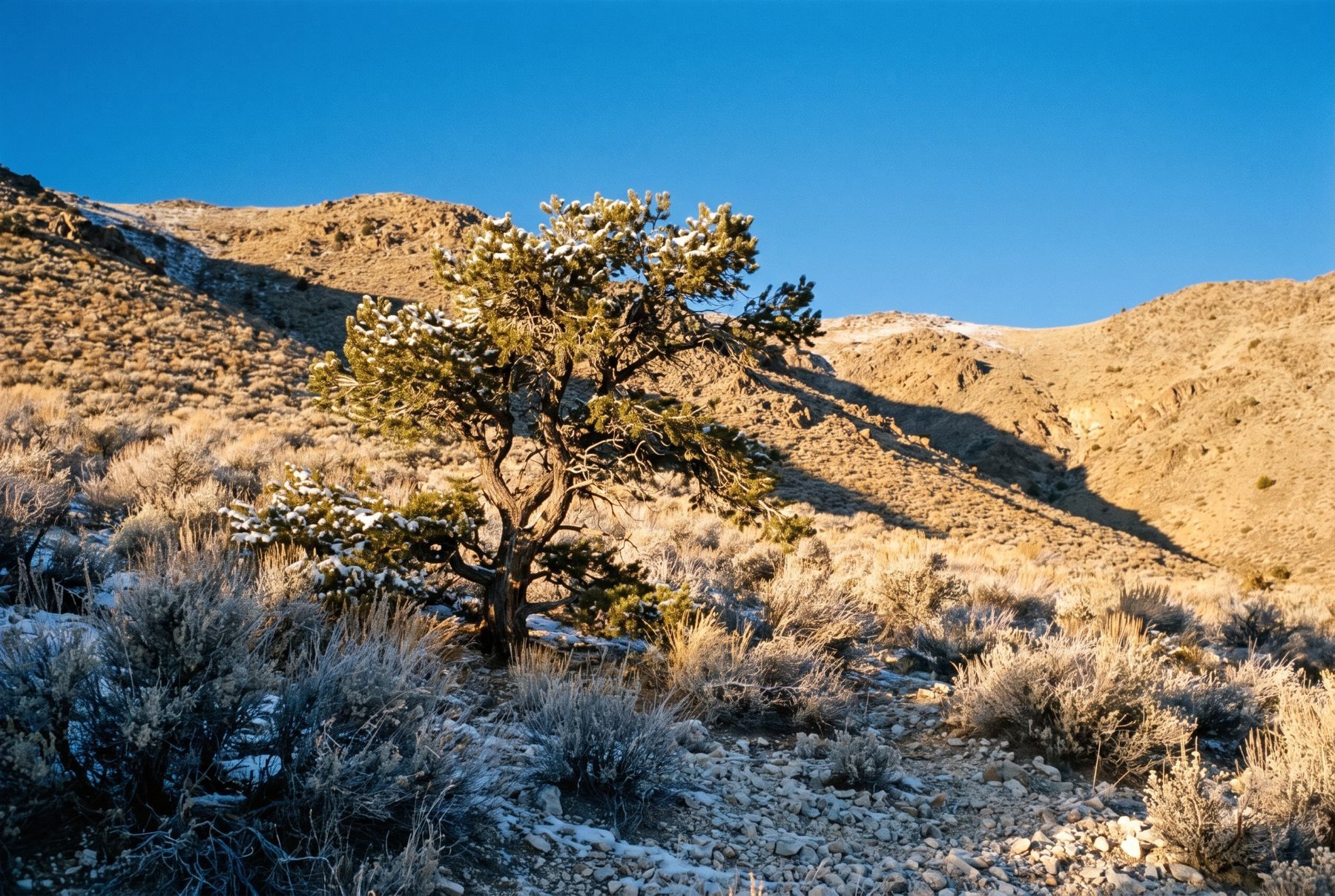
Every winter across western Nevada, families drive into federal territory with hand saws, tire chains, and official permits to cut an evergreen. Besides juniper, the tree the Bureau of Land Management lets you cut near Carson City is the single-leaf pinyon (Pinus monophylla), which the Nevada Legislature codified as the official state tree in 1953 under NRS 235.040. Cutting down the state emblem is legal with a permit, but not on the ranges closest to town.
Past fires and habitat conservation have redrawn the map. Anyone looking for Christmas Events, Lights, and Tree Recycling in Reno-Tahoe discovers that traditional cutting grounds in the Virginia Range and the Pine Nut Mountains are strictly closed to pinyon cutting, while the Lake Tahoe Basin has halted its program entirely.
The State Tree on Federal Dirt
Nevada recognized the single-leaf pinyon in 1953 and added the bristlecone pine (Pinus longaeva) as a second state tree in 1987. Bristlecone pines, some thought to be around 5,000 years old, are strictly protected; the Ely Ranger District specifically notes that no bristlecone may be harvested under its Christmas tree permits. But the pinyon remains an active timber harvest item on BLM territory.
In 2025 the BLM Carson City District issued its Christmas tree permits free of charge, from December 5 through December 25, with a limit of ten permits per individual for personal use. Check the 2026 terms before you go: the same permits had cost $5.
Each permit allows the cutting of only two species: pinyon pine or juniper. Cutting any other tree species on that permit is prohibited. Across the Carson City District, juniper may be harvested on all administered public lands outside of designated Wilderness, Wilderness study areas, and residential zones. Pinyon pine, however, faces severe boundaries.
Pinyon pine Christmas trees may not be harvested within the Pine Nut Mountains or the Virginia Range due to past fires and habitat conservation.
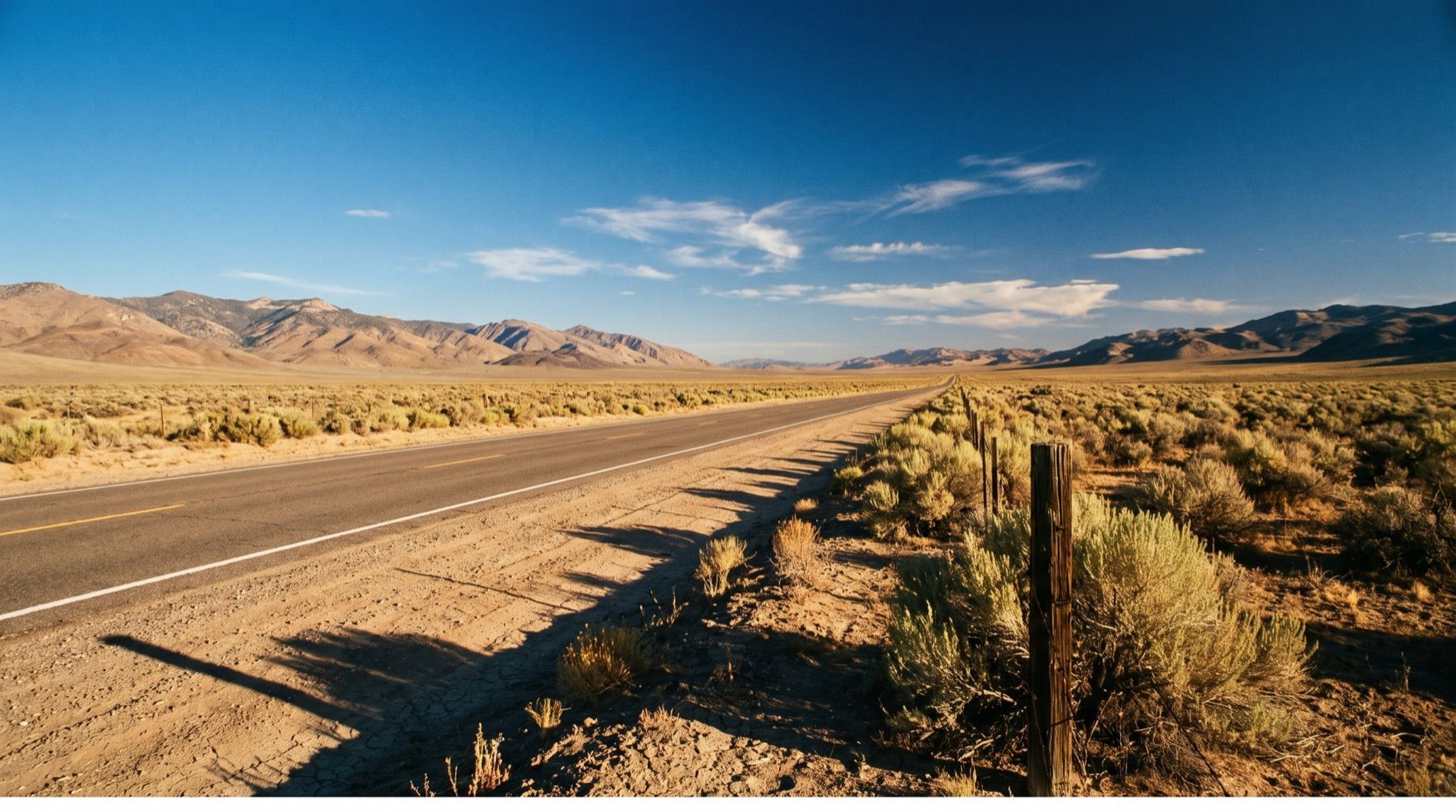
Instead of cutting on the slopes visible from Carson City or Reno, anyone holding a BLM permit must head far to the east. Pinyon pine cutting is restricted to the Clan Alpine and Desatoya Mountains east of Fallon, and the Excelsior Mountains southeast of Hawthorne.
Why the Slopes Near Town Are Closed
Wildfire damage and conservation priorities have pushed the legal cutting boundary miles away from the Sierra front. The Virginia Range, bordering Reno and Storey County, and the Pine Nut Mountains, rising along Douglas County and Carson City, are closed to all pinyon cutting under Carson City District BLM stipulations.
Further west, the U.S. Forest Service has closed the door entirely on its Tahoe shoreline territory. The Lake Tahoe Basin Management Unit temporarily paused its Christmas tree permit program to give young saplings time to grow large enough to support a harvest program again in the future. Those wanting a tree directly from federal land must either take the long desert trek for desert conifers or head into the Humboldt-Toiyabe National Forest.
These closures leave drivers facing long highway runs. Those bound for the Clan Alpine or Desatoya ranges pick up US-50 conditions and cameras through Fallon, passing Middlegate Station at 48 miles east of Fallon or Cold Springs Station Resort at 62 miles east of Fallon. Both road stops serve as in-person pickup points for BLM permits.
Up in the Humboldt-Toiyabe Timber
For those seeking traditional mountain evergreens rather than Great Basin pinyon or juniper, the Humboldt-Toiyabe National Forest offers a different permit route. For 2026 the Humboldt-Toiyabe permits go on sale October 20 and are valid November 1 through December 31. The Carson Ranger District sells them for $10 each, with a strict limit of two trees per household, plus a $2.50 transaction fee on Recreation.gov. The district limits the total number of permits sold each year, and once the allotment is gone, no more are issued.
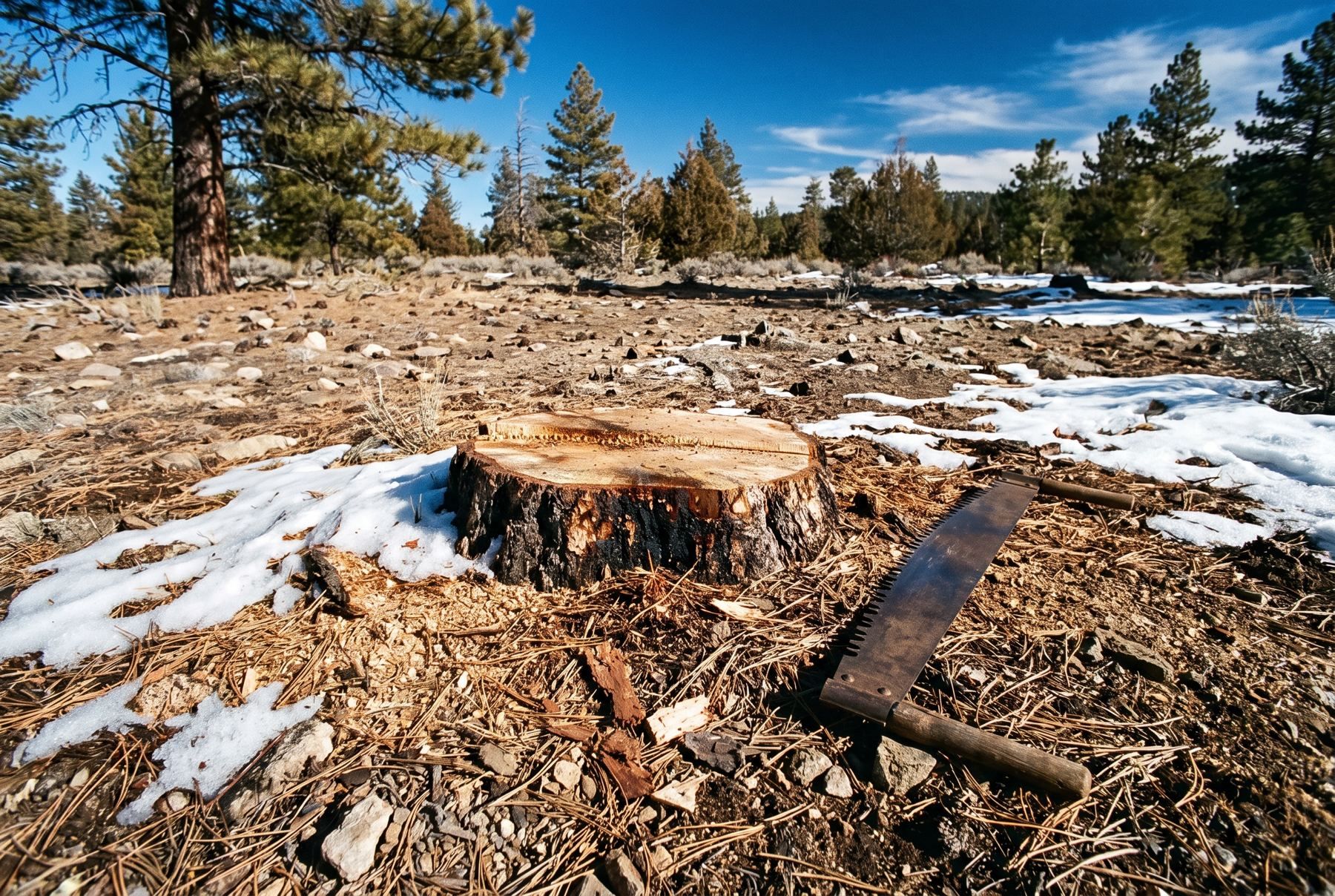
Carson Ranger District permits do not include pinyon pine. Instead, cutters can take incense cedar, Jeffrey pine, ponderosa pine, lodgepole pine, juniper, and limited white fir. Forest Service regulations require that the maximum height of any remaining stump be no taller than six inches above bare soil, with no live branches left attached. Topping trees—taking the crown and leaving the trunk standing—is forbidden.
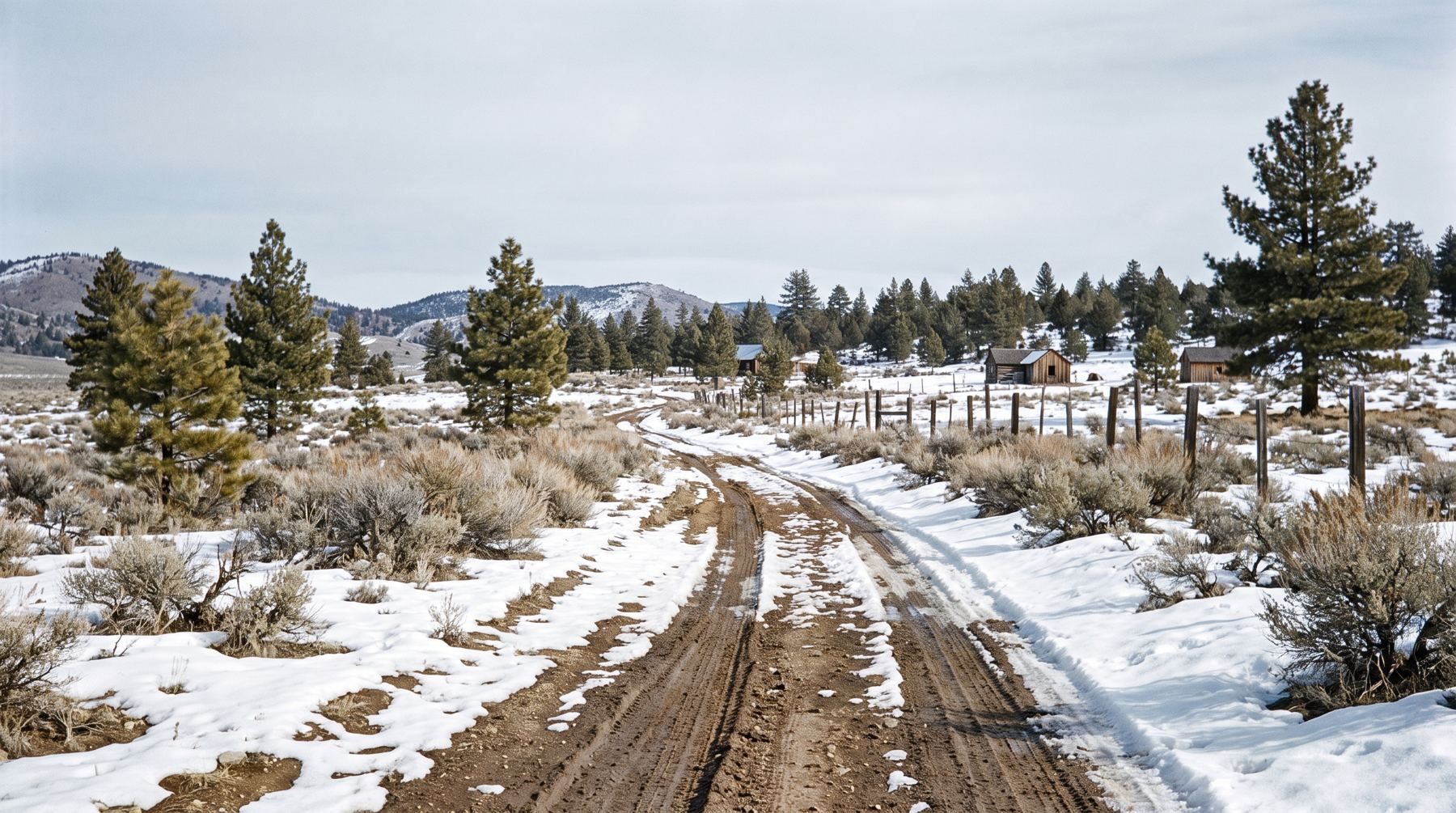
The Forest Service also issues warning advisories for winter road corridors. On the Carson Ranger District Christmas Tree Cutting Map for Dog Valley, the agency specifically recommends four-wheel-drive and high-clearance vehicles in the Dog Valley area during winter conditions.
Carson City and the Mountain Roads Today
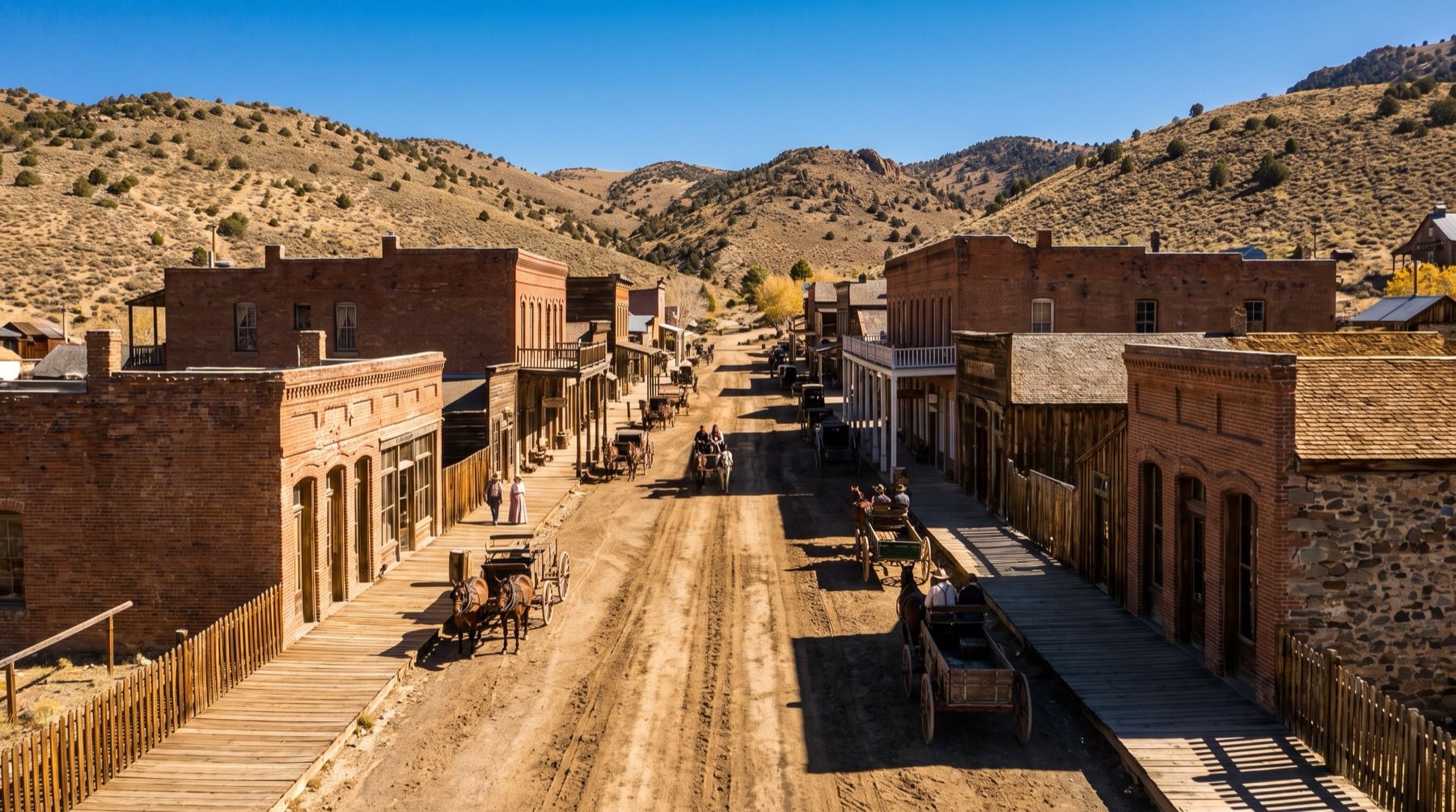
Today, securing a tree begins with official paperwork through government portals or local administrative storefronts. The Carson Ranger District office sits in Carson City, 26 miles from Reno in a straight line. Drivers checking US-395 conditions and cameras can reach Carson City directly via the highway corridor to pick up paperwork or consult staff.
The BLM Carson City District Office operates at 5665 Morgan Mill Road in Carson City, open Monday through Friday from 8:00 a.m. to 4:30 p.m. In Reno, permits are handled at the BLM Nevada State Office at 1340 Financial Boulevard between 8:00 a.m. and 4:00 p.m. Other pickup points include Cal Ranch at 2035 N. Carson Street in Carson City, and the Carson Valley Chamber of Commerce inside the museum building at 1477 US Highway 395 North Suite A in Gardnerville.
Whether driving toward the Dog Valley snowpack or heading toward the Clan Alpine Mountains, both agencies tell cutters to carry tire chains, a shovel, rope, a map, food, water and warm clothing, and some cutting areas may be out of reach after snowfall. More accounts of the state's geography and history can be found in our collection of Nevada stories.