In 1931, the Nevada Legislature reduced the state's residency requirement for divorce to six weeks. That single legislative act cemented Reno's standing as the divorce capital of the world, drawing thousands of people seeking a quick legal dissolution.
Between 1931 and 1934 alone, people from 48 states, 32 foreign countries, and the territories of Alaska and Hawaii arrived in Reno to end their marriages. For nearly six decades, getting a migratory divorce in northern Nevada was an established part of American culture.
The Roots of Migratory Divorce
Reno began as a river crossing. Charles William Fuller built a ferry across the Truckee River in fall 1859, then added a bridge and a hotel by spring 1860. Myron C. Lake acquired Fuller's holdings in 1861, naming it Lake's Crossing. In 1868, Lake sold about 160 acres to the Central Pacific Railroad, which auctioned town lots on May 9, 1868, for as much as $1,000.
Early Reno had about 1,000 residents, supported by 13 attorneys, three doctors, five hotels, five restaurants, and seven saloons. The city officially incorporated on March 16, 1903. Two years later, the divorce trade caught national attention. The highly publicized divorce of U.S. Steel Corporation president William Corey in 1905 and 1906 revealed how Nevada’s legal system could serve wealthy travelers.
Nevada lawmakers noticed the revenue. They progressively lowered the residency threshold from six months to three months, and ultimately to six weeks in 1931. That legal mechanism powered a durable local industry, preserved in collections documented by Historic Preservation and Walking Tours in Reno and Truckee.
Dude Ranches and Six-Week Stays
When the six-week residency law took effect in 1931, the term "Reno-vated" entered national slang, popularized by journalist Walter Winchell. Hollywood studios released three films about Reno's divorce business in 1931 alone. Novelist Cornelius Vanderbilt Jr. wrote Reno about his personal divorce experience, which was later adapted into a motion picture.
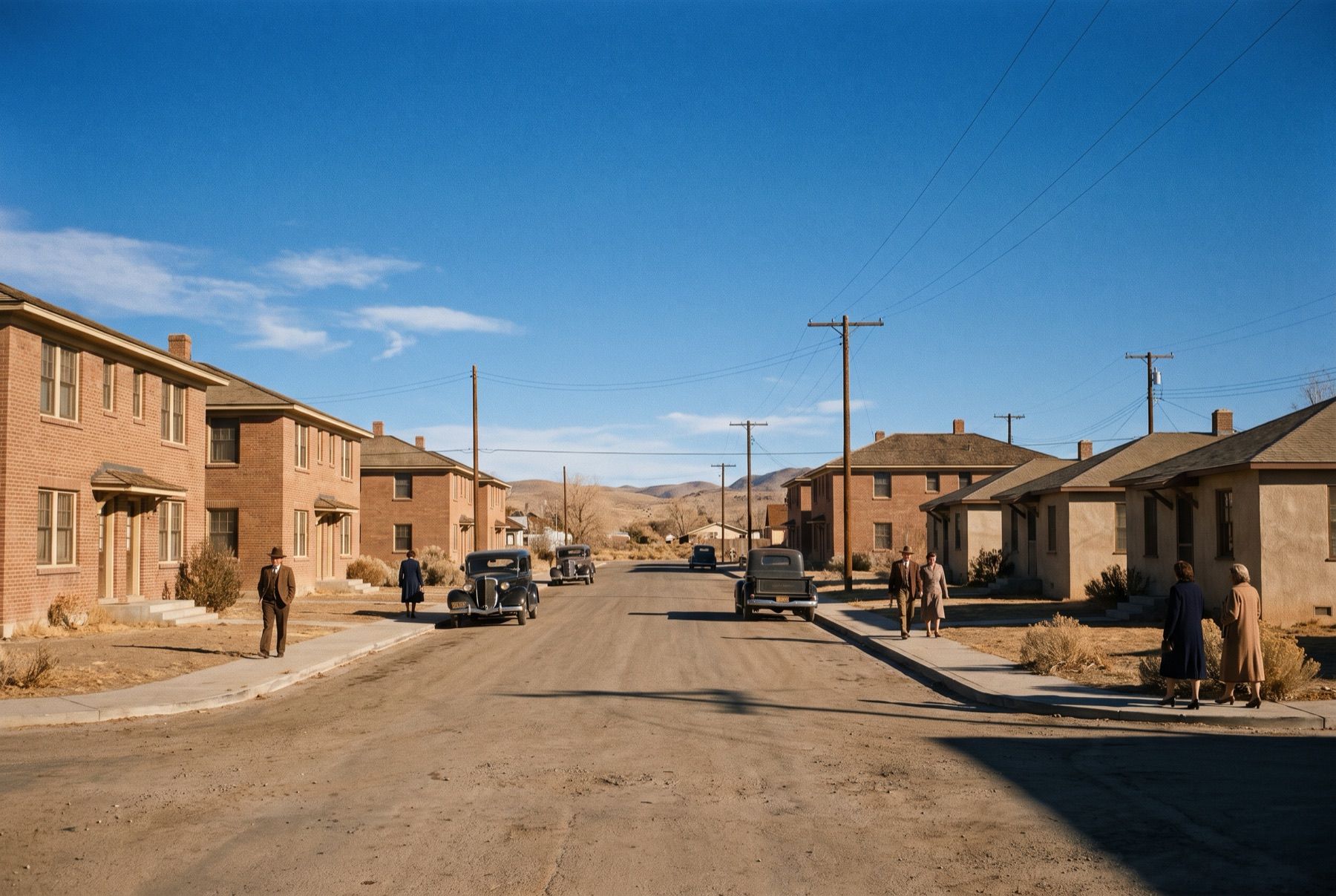
Vanderbilt bought two dude ranches in the Reno area. Dude ranches proliferated across the Truckee Meadows, marketing six-week packages to affluent visitors. Temporary residents needed food, boarding, legal services, and entertainment, prompting local builders to construct housing with separate units known locally as divorce apartments.
In just four years, from 1931 to 1934, people from 48 states and 32 foreign countries got divorces in Reno.
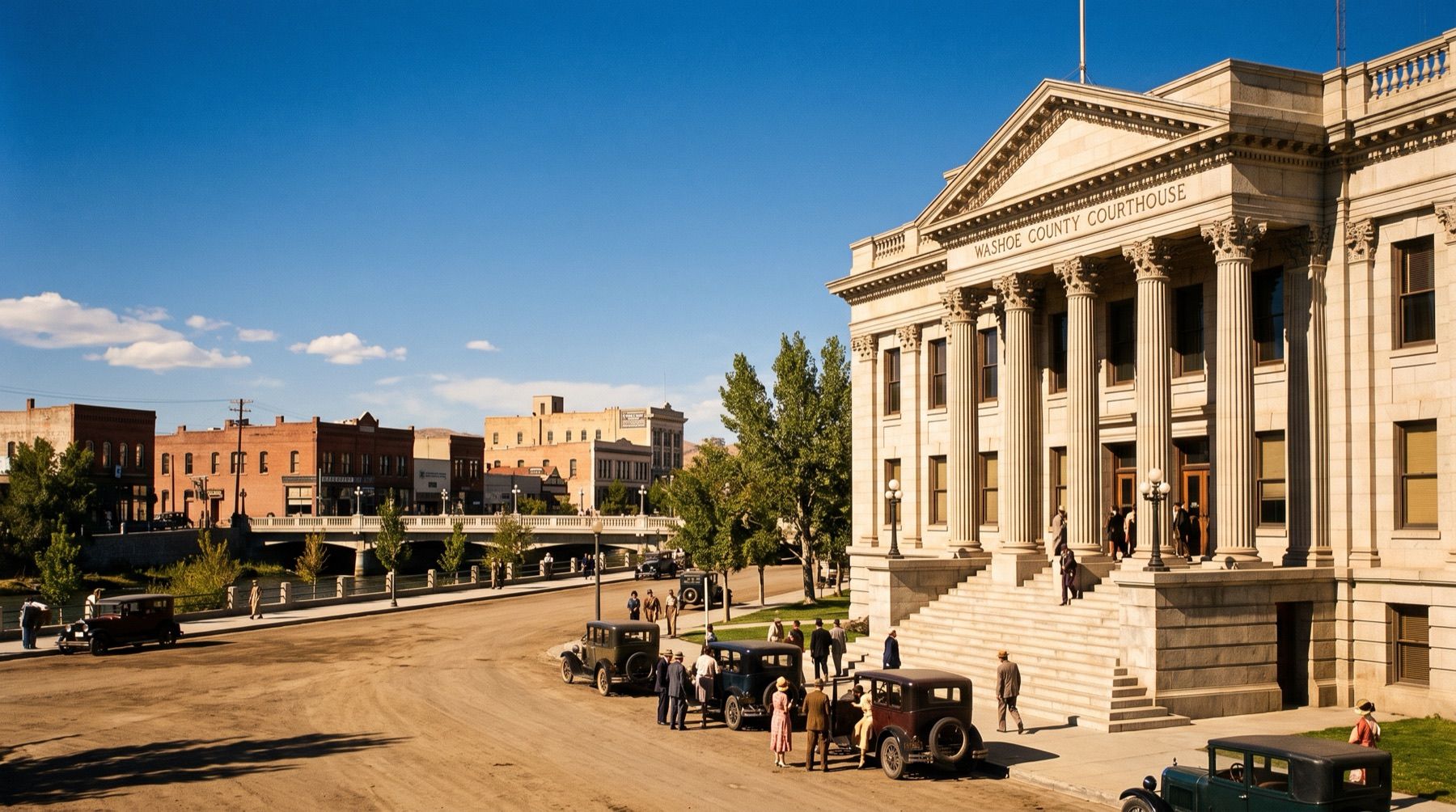
Public institutions adapted to the temporary influx. The Carnegie Free Public Library, founded alongside early cultural centers, selected new books based on requests from temporary residents serving their six weeks. The commercial boom helped cushion the city against the Great Depression. Washoe County Courthouse records show more than 30,000 divorces were granted inside its walls during the 1930s. The influx is part of the larger regional archive showcased through Nevada stories and the exhibits at Reno and Northern Nevada Museums.
The Shift to Casinos
In 1931, Nevada legalized open casino gambling alongside the six-week divorce statute. For the next three decades, divorce fees, ranch bookings, and legal retainers worked in tandem with the emerging gaming trade downtown.
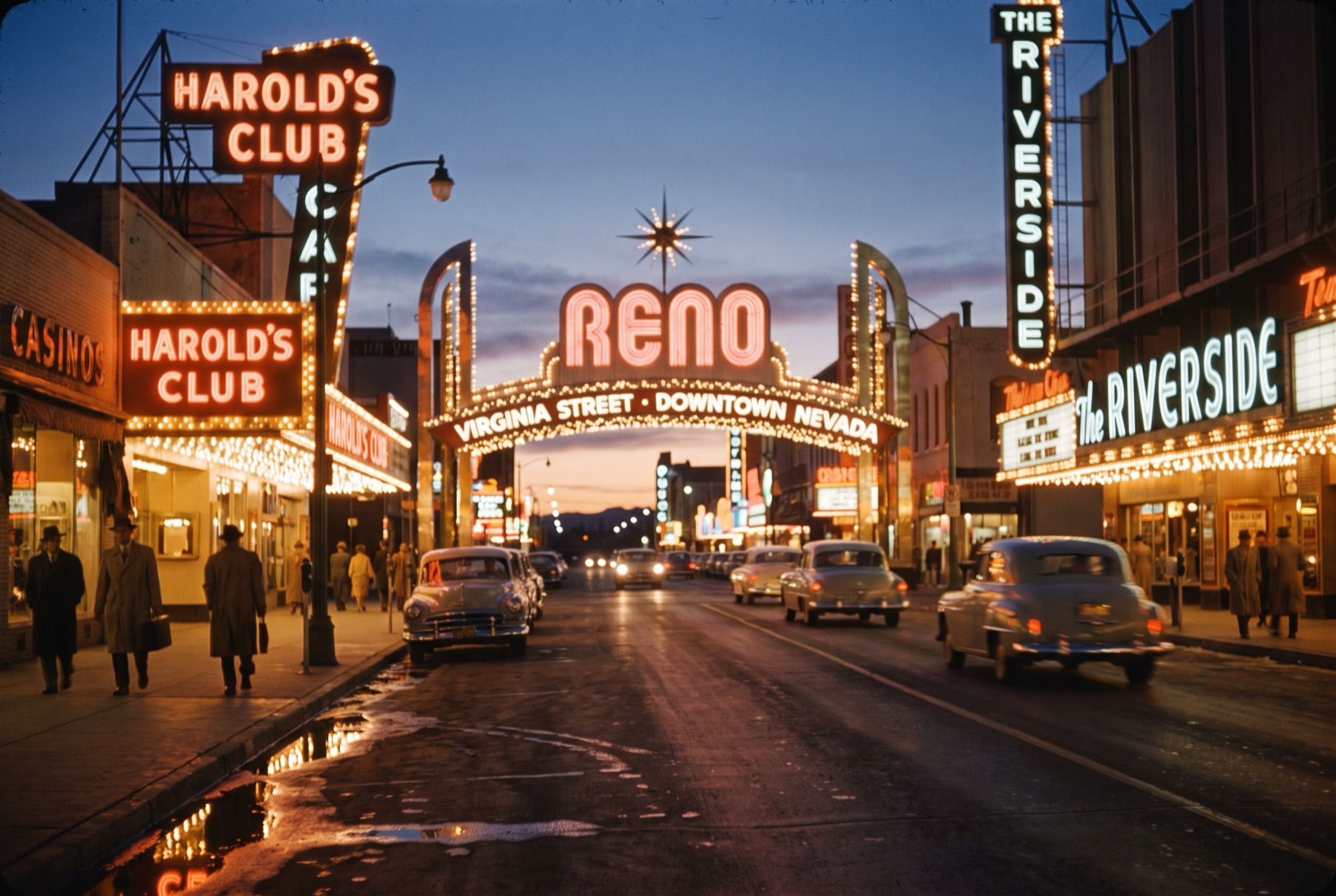
Reno's civic leaders had already begun promoting a modern municipal brand. A steel arch on Virginia Street originally displayed "Nevada's Transcontinental Highway Exposition, June 25-Aug. 1, 1927." After a slogan contest won by G.A. Burns of Sacramento, the phrase "The Biggest Little City in the World" was illuminated on the arch on June 25, 1929.
By the late 1960s, legal changes across the United States altered the industry. Other states loosened their statutory grounds and residency rules, rendering travel to Nevada unnecessary. Reno's civic leadership actively shifted away from the stigma of migratory divorce. On New Year's Eve 1963, the city illuminated a new arch for 1964 with octagonal lettering, surrounded by casino-hotels like Harolds Club, Harrah's, and the Silver Dollar Club.
Reno and the Courthouse Today
The historic neoclassical Washoe County Courthouse stands south of the Truckee River, where President Theodore Roosevelt spoke from the steps in 1911.
At the University of Nevada, Reno, which moved to town in 1885 with 150 students and now serves more than 22,000, researchers in the Special Collections Department preserve letters, diaries, oral histories, and court dockets documenting the divorce trade. The legal machinery established in 1931 remains codified in Nevada Revised Statutes Chapter 125, governing modern dissolution and summary proceedings across Washoe County.