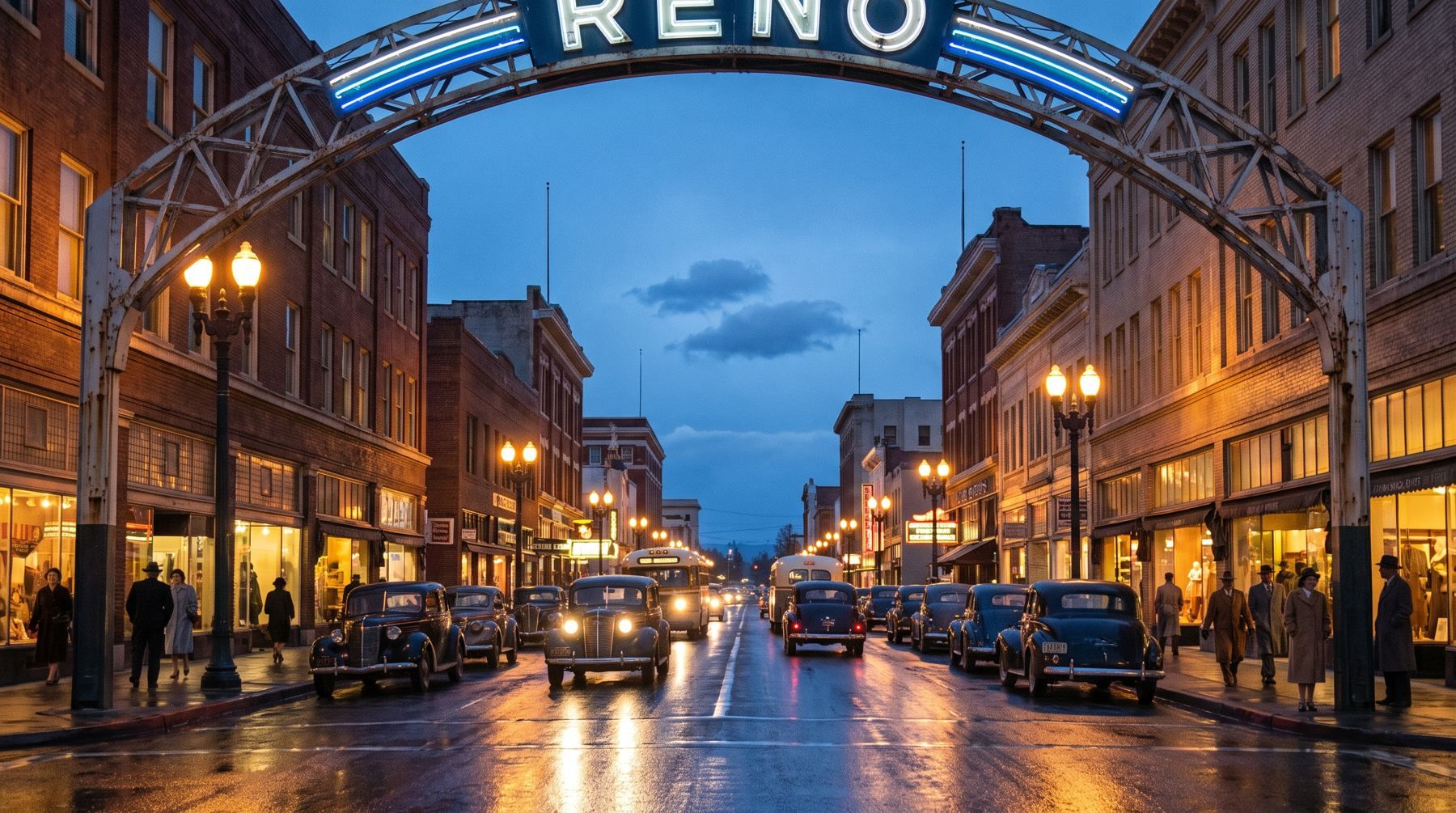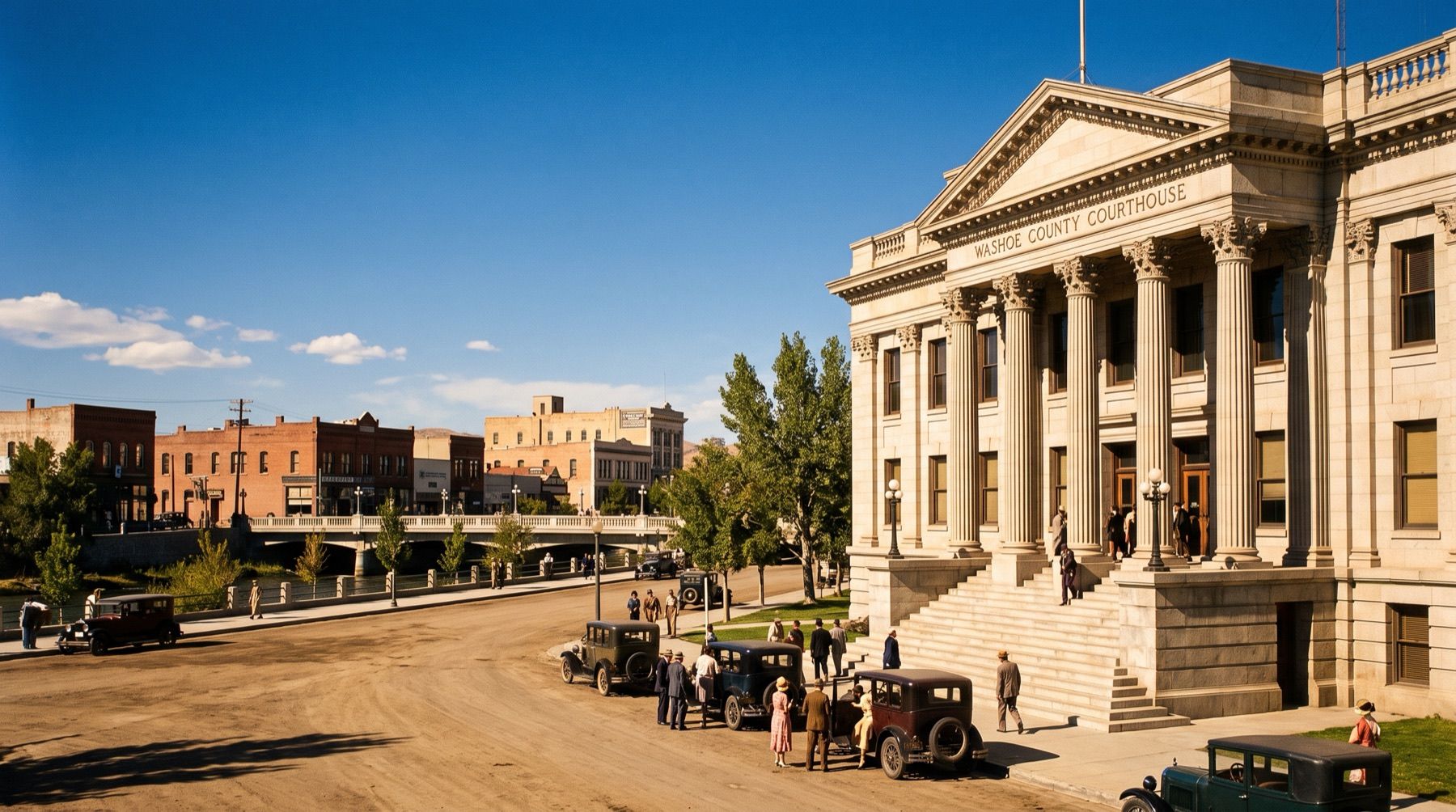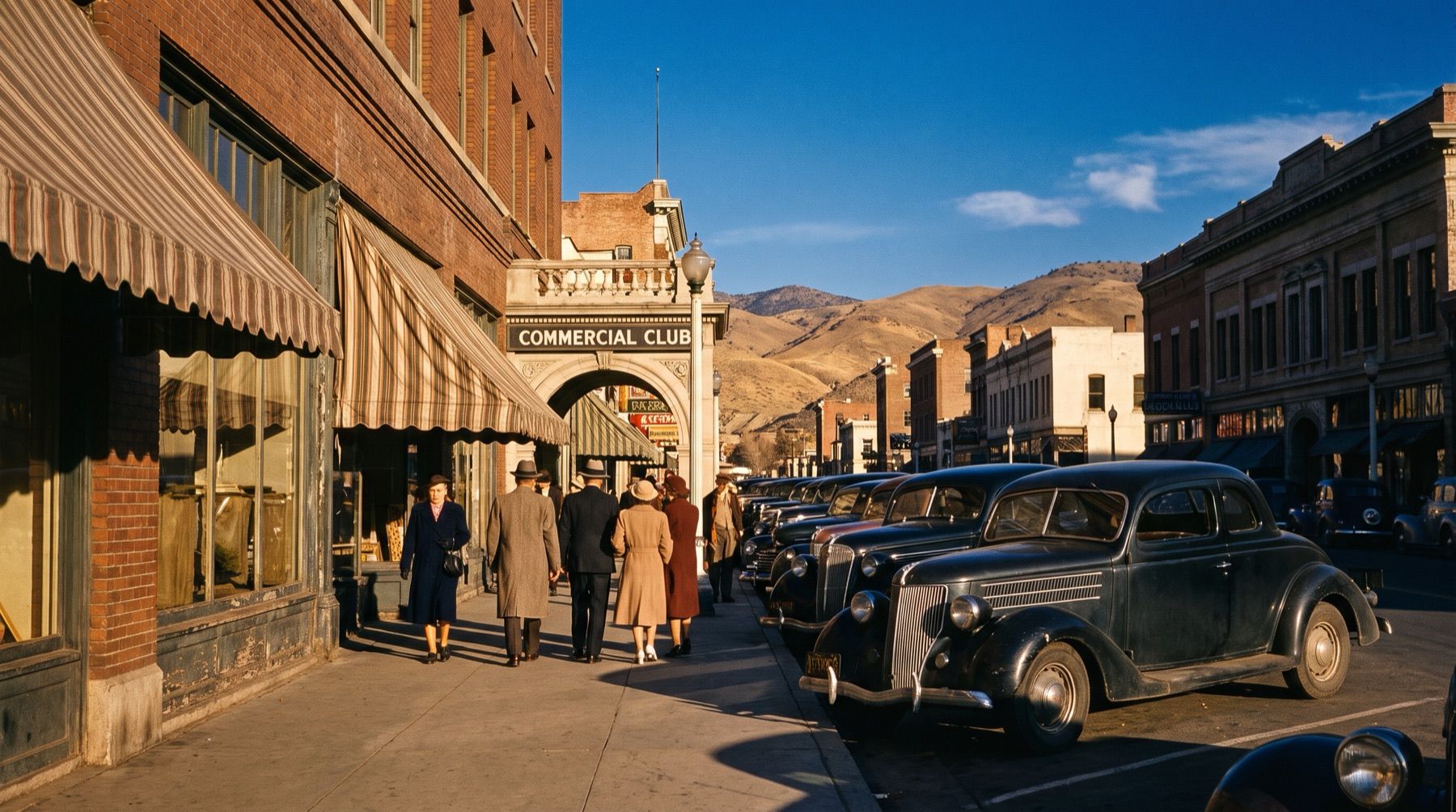
Reno, not Las Vegas, was the first gambling capital of Nevada. The modern era began in Carson City on March 19, 1931, when Governor Fredrick B. Balzar signed Assembly Bill 98 into law. The Senate had approved it 13 to 3, and the Assembly passed it 24 to 1.
During that identical 35th Legislative Session, lawmakers also cut the residency requirement for a divorce from three months down to six weeks. While readers explore how Reno built a global industry on a six-week law, the companion gambling bill remade the city overnight. The very next day, William Graham and James McKay secured a license for the Bank Club.
The Bank Club and the 1931 rush
Nevada entered 1931 facing severe drought and the Great Depression. Cattle brought 3 cents per pound, mining had plunged, and the federal government owned approximately 86 percent of state land. Phil Tobin, a freshman Republican Assemblyman from Humboldt County, introduced Assembly Bill 98 to tax an activity already operating underground.
Gambling had been prohibited by the territorial legislature in 1861, legalized in 1869, banned again in 1910, briefly reinstated in 1911, and outlawed from 1913 to 1931. Even so, clubs openly operated games across Reno through the 1920s. Once Balzar signed the 1931 bill, games like roulette, faro, keno, blackjack, craps, and draw poker became instantly legal.
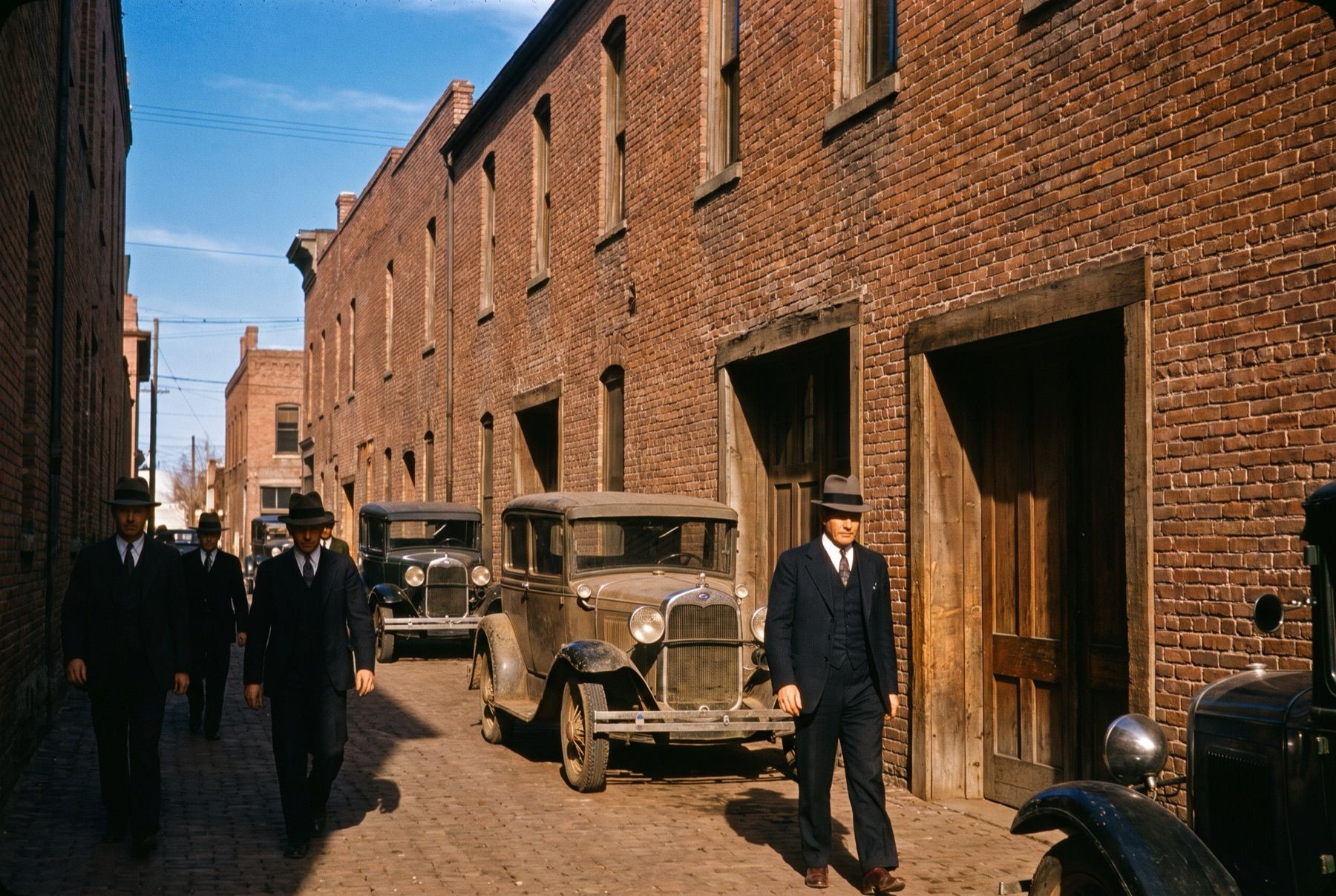
Within days of the signing, 21 Reno clubs applied for gaming licenses. The Bank Club, the Owl Club, the Rex Club, and the Waldorf Club were among the earliest. Douglas Alley, running between Commercial Row and Second Street, quickly emerged as a dense gambling core. Graham and McKay hired former boxer Jack Sullivan to manage the Bank Club, later giving him a one-third interest.
Harolds Club and promotional showmanship
On February 23, 1935, Harold Smith Sr. opened a small gambling club on Virginia Street with $500 borrowed from his father, Raymond I. "Pappy" Smith. The tiny room measured 25 feet by 150 feet and held one roulette wheel. It lost money until Pappy Smith arrived to take over management.
Pappy brought aggressive carnival promotion to downtown Reno. He ran games where players bet on which hole a field mouse would enter, drawing national press. The club put up "Harolds Club or Bust" roadside billboards worldwide. He also instituted an open floor plan, hired large numbers of women dealers, and prioritized friendly service.
World War II brought crowds of defense workers from California and servicemen from the Reno Army Air Base at Stead, which opened in 1942. Harolds Club expanded into neighboring buildings, and in 1954 the family finished a seven-story, $4 million tower. On July 1, 1962, the Smiths sold the club property to Webbel Corporation for $16.5 million under a leaseback arrangement.
Harrah's and the move toward modern resorts
William F. Harrah arrived in Reno in 1937, opening a short-lived bingo parlor before starting Harrah's Tango Club in 1938. In 1946, he opened Harrah's Reno Club as sole owner. Harrah established busing programs to shuttle gamblers directly from northern California over the Sierra Nevada to his Reno tables.
In 1956, Harrah opened Harrah's Tahoe Club at Stateline. His operations flourished under hands-off management while he accumulated a renowned collection of automobiles, airplanes, and motorcycles. Harrah took his company public in 1971, and in 1973 Harrah's Inc. became the first gaming company listed on the New York Stock Exchange. The operation later merged into what became Caesars Entertainment.
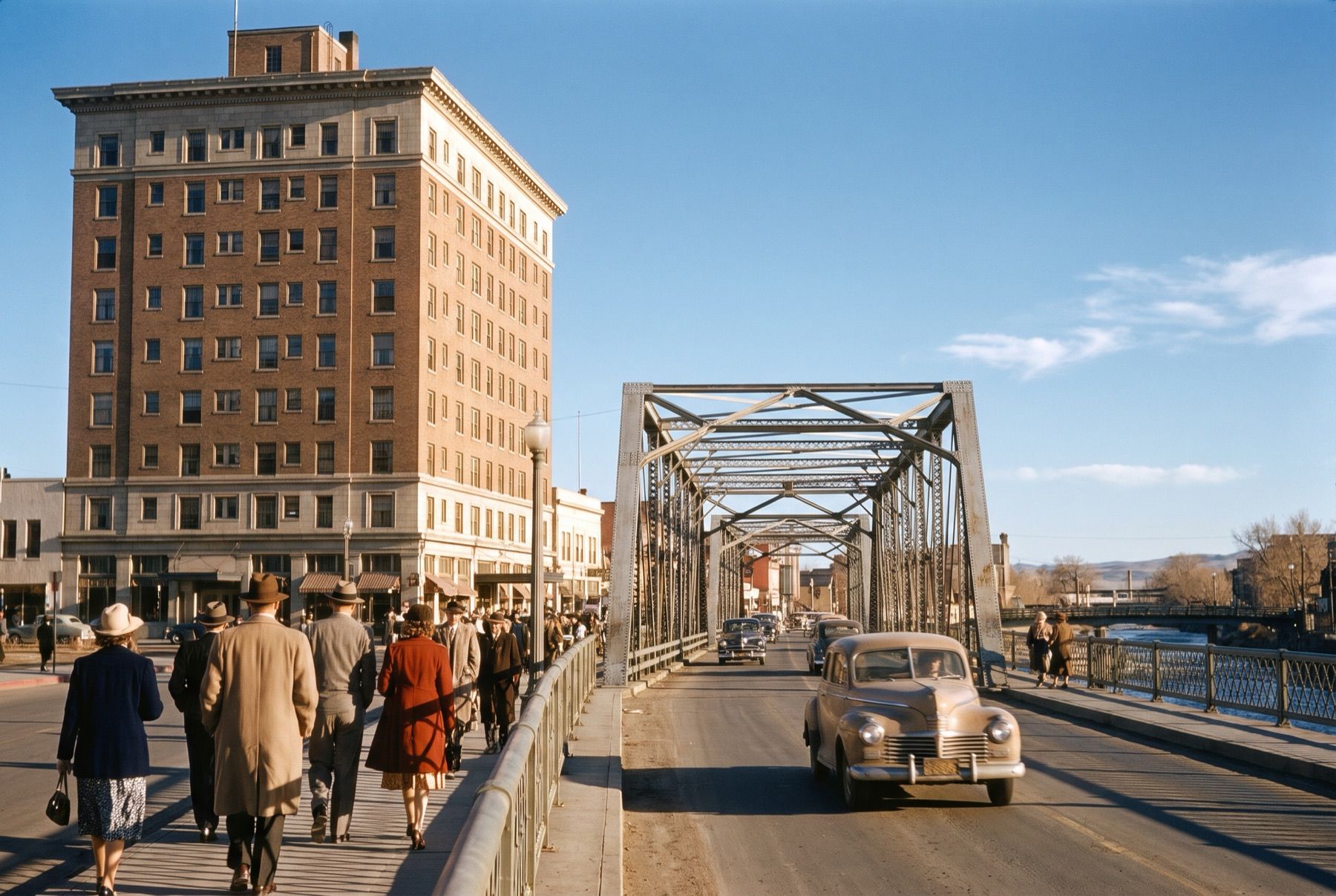
Other downtown venues pushed the city skyward. In December 1947, the 12-story Mapes Hotel opened on Virginia Street at the Truckee River. It was the first major high-rise hotel built in the United States after World War II, combining a full hotel, casino, and its top-floor Sky Room nightclub under one roof.
Establishing state control and corporate ownership
Between 1931 and 1945, the state left gaming regulation entirely to local governments and collected no direct casino tax. In 1945, the state required licenses through the State Tax Commission and imposed a 1 percent tax on gross revenues. The regulatory structure tightened dramatically in 1955 when the Legislature created the State Gaming Control Board to conduct background checks.
In 1959, the Legislature established the Nevada Gaming Commission to oversee the Control Board. Regulators moved against organized crime figures and barred listed individuals from casinos. In 1963, singer Frank Sinatra surrendered his state gaming license for Lake Tahoe's Cal-Neva resort after hosting Chicago mobster Sam Giancana, who appeared in the state's Black Book.
The 1967 corporate gaming act, rewritten in 1969, permitted publicly traded corporations to own Nevada casinos without investigating every individual shareholder.
Corporate ownership arrived through Senate Bill 470 in 1967, allowing public corporations to own casinos. Until then, every stockholder faced individual background checks. In 1969, Senate Bill 353 revised the law. That reform opened the door for Howard Hughes to buy Harolds Club in June 1970.
Reno gaming today
Visitors navigating modern table rules can consult the Reno and Lake Tahoe casinos guide alongside our Nevada gambling guide and the Nevada gambling rules breakdown.
The industry has changed since the days of Douglas Alley and the Bank Club. Slot machines operate in grocery stores and bars, while large resort towers stand downtown and across the city's south, east, and west corridors. For more regional background, see the wider collection of Nevada stories.