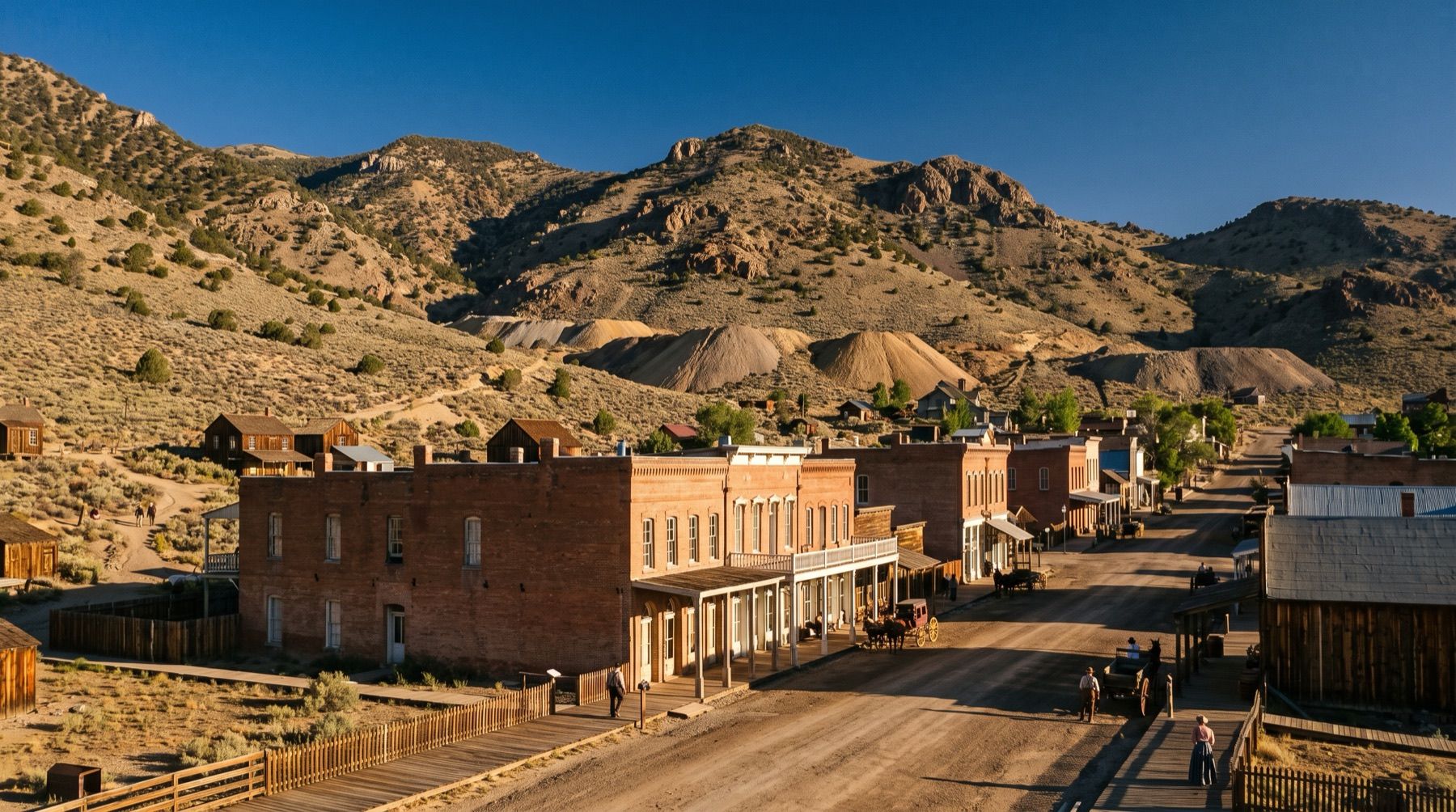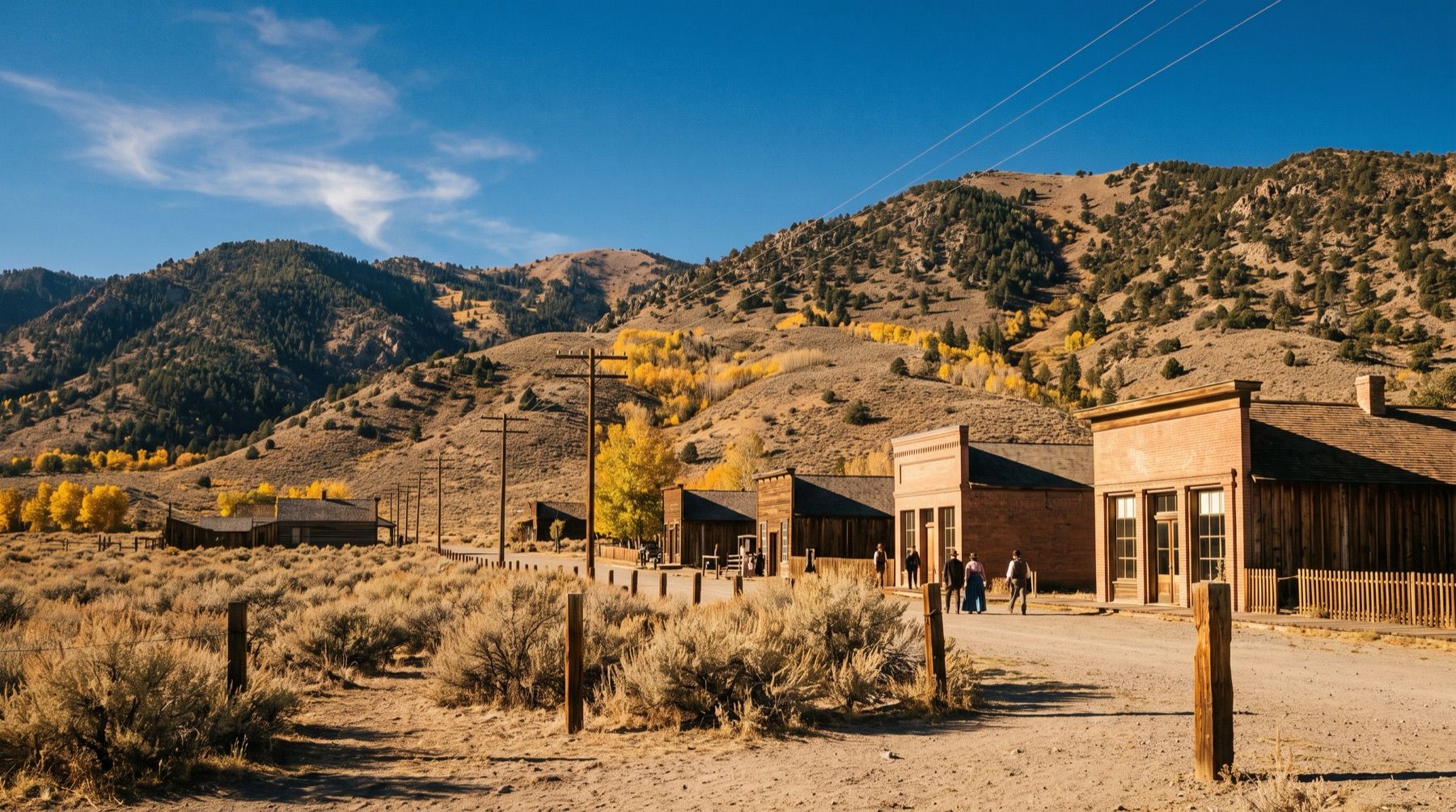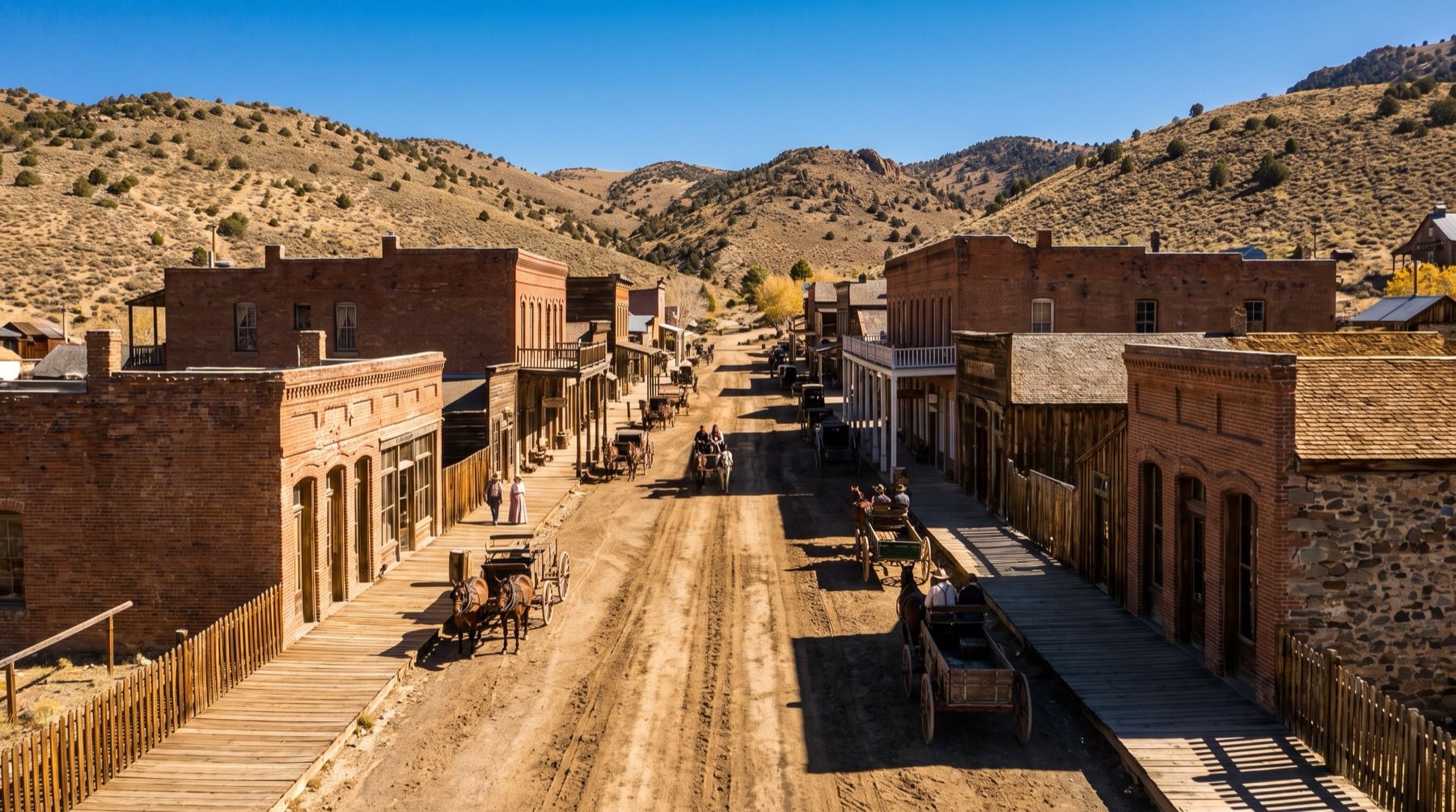
The most famous pen name in American literature was not invented along the Mississippi River. It was first used on the wooden desks of a Virginia City newspaper office, 18 miles from Reno in a straight line.
Samuel Clemens arrived in Nevada in August 1861. After failing to strike riches in the mining camps of Aurora and Unionville, he took a reporting job at the Territorial Enterprise in 1862. By 1863, he signed his work with a new nom de plume: Mark Twain.
The Comstock's Mightiest Sheet
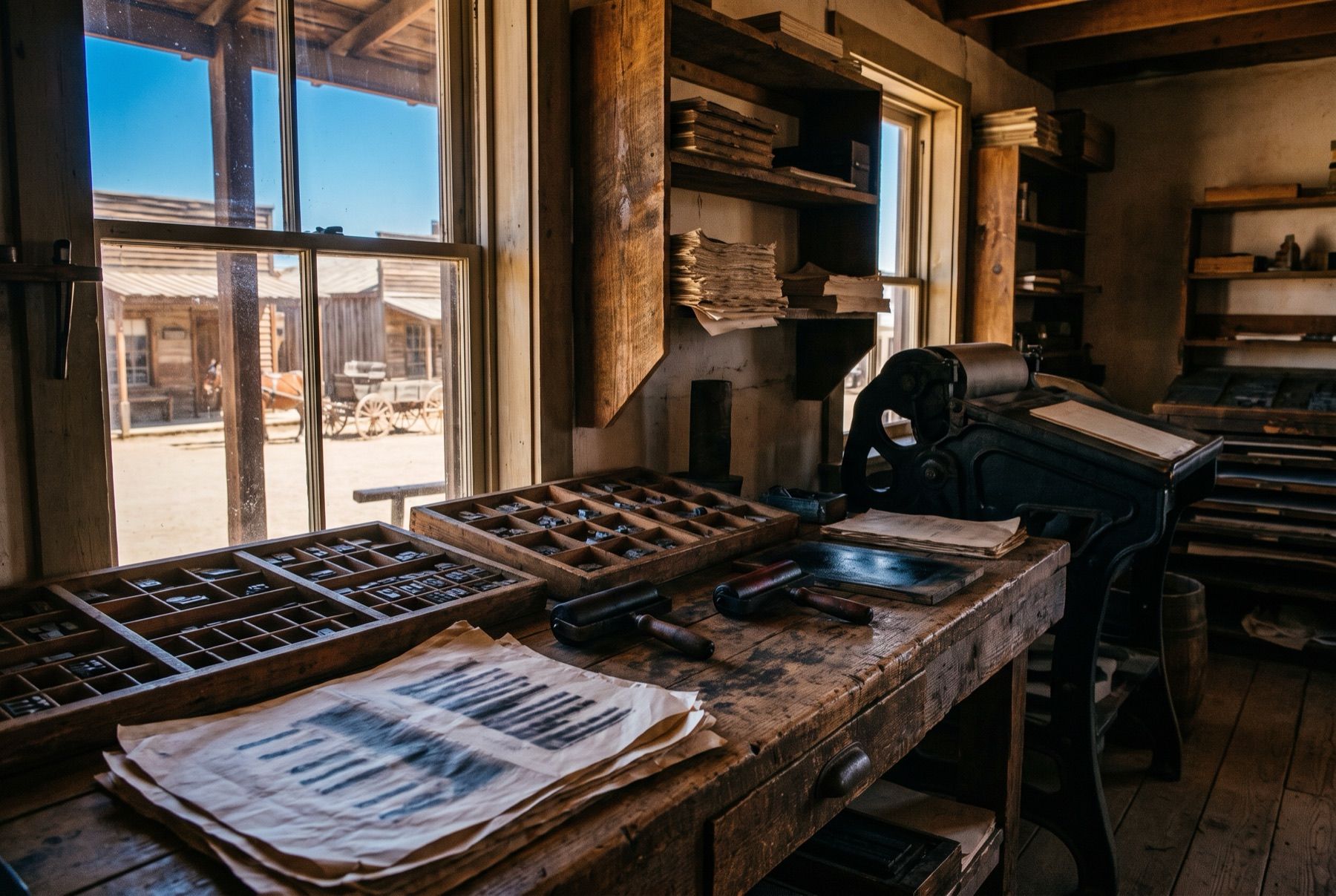
William Jernegan and Alfred James printed the first sheet of the Territorial Enterprise on an old Washington hand press in Genoa on Dec. 18, 1858. The paper moved to Carson City, then shifted to Virginia City in 1860 as the Comstock Lode boomed.
In 1861, Joseph Goodman and Denis McCarthy acquired the journal. Both men were in their 20s. Under Goodman, who stayed as owner and editor until 1874, the paper became the liveliest sheet on the Comstock. It reached a daily circulation of more than 15,000 copies, becoming the largest newspaper west of the Mississippi River.
In August 1863, the Enterprise became the first Nevada newspaper printed by steam. In December 1895, it became the first west of the Mississippi River to install a linotype machine. When William Sharon of the Bank of California sought a U.S. Senate seat, Goodman used his columns to ruin Sharon's 1872 campaign. Sharon retaliated in 1874 by buying the newspaper outright for $50,000, winning his Senate seat that year.
Roommates, Duels, and Desert Hoaxes
Twain was hired in 1862, sharing quarters with William Wright, who wrote under the pen name Dan DeQuille. Wright had arrived on the Comstock in 1860 and joined the staff in 1861. DeQuille stayed with the Enterprise for 31 years, while Twain lasted just 22 months.
The pair traded satirical sketches about each other to entertain miners. DeQuille specialized in elaborate hoaxes he labeled "quaints." On Feb. 5, 1865, DeQuille published a story in the Golden Era about the "Silver Man," a petrified body found in the Hot Springs Lead composed of silver sulphuret, iron, and copper.
On Oct. 26, 1867, DeQuille printed a report of magnetic stones in the Pahranagat Mountains that rolled back together when separated by three feet. Letters poured in for years. By March 31, 1872, DeQuille told readers to ask Twain, claiming Twain kept fifteen or twenty bushels of the gravel. DeQuille finally admitted the fraud on Nov. 11, 1879.
Twain was assigned to cover the Territorial Legislature in Carson City during November and December 1862, and again from November 1863 through February 1864. You can see how close those seats of government sit by checking a Carson City day trip from Reno. In May 1864, Twain wrote an editorial that enraged a rival editor. Challenged to a duel, Twain skipped town for San Francisco, joining the Morning Call.
The seemingly tranquil ENTERPRISE office was a ghastly factory of slaughter, mutilation and general destruction in those days.
Fire and the Long Decline
The Great Fire of 1875 destroyed the Enterprise building. The staff kept publishing from the Gold Hill Daily News until their own plant was rebuilt in 1876. DeQuille published his history The Big Bonanza that same year. But the bonanza ore bodies were playing out.
On Jan. 16, 1893, the paper suspended operations with a single line: "For sufficient reasons we stop." It revived in December 1893, and in 1896 passed to Frank Blake, who had started there at age 16. The town shrank as the mines dried up, echoing the boom-and-bust cycle seen across the state in tales like Rhyolite boomed and emptied in a single Nevada decade.
Blake kept the presses rolling until May 30, 1916. The rival Virginia Evening Chronicle acquired the title and shut it down. In August 1927, the Chronicle folded as well, leaving both historical titles abandoned in the archives.
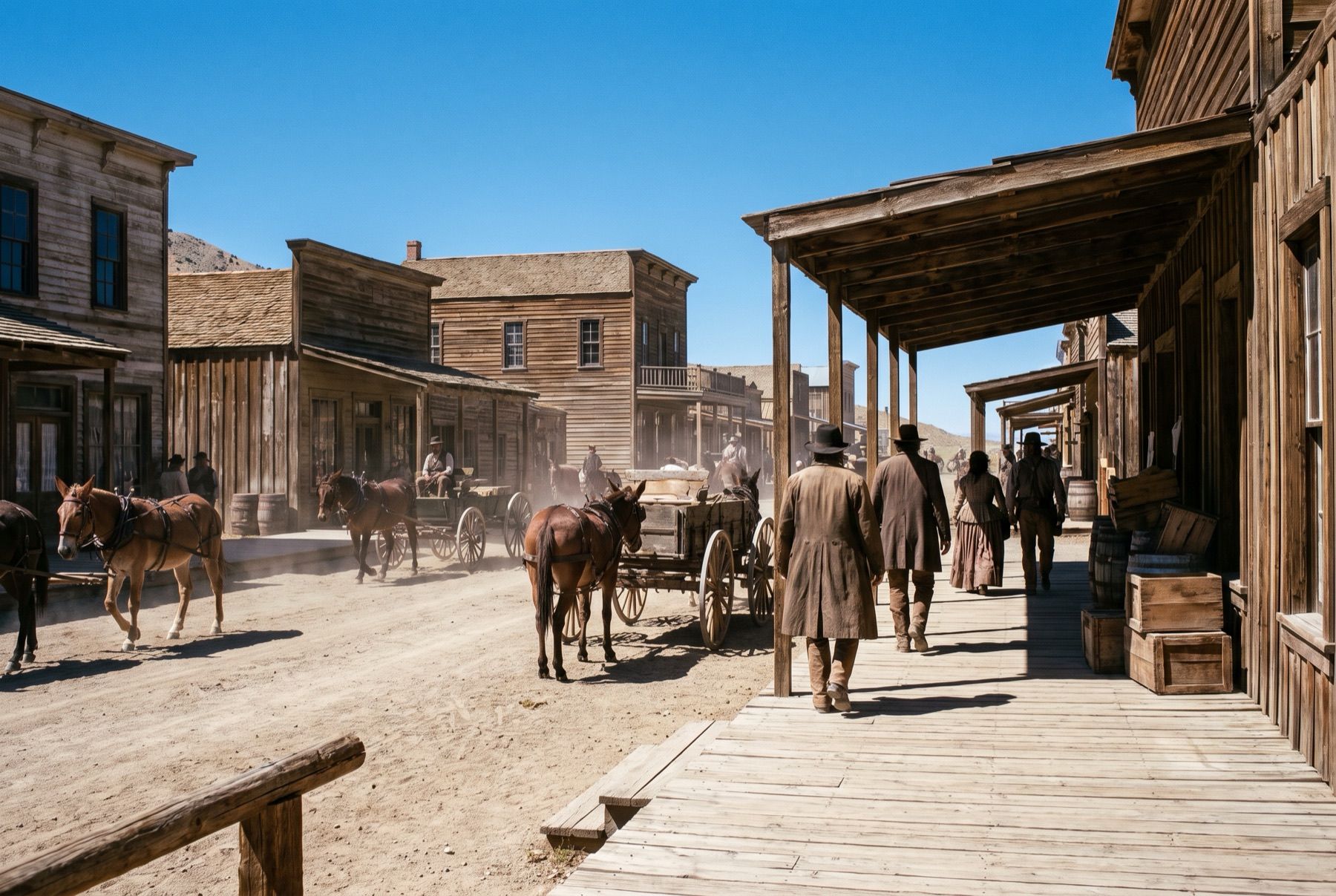
Revival and Visiting Today
In 1930, Vincent Nevin purchased the plant and merged the names into the Virginia City News. In 1951, New York journalist Lucius Beebe and his partner Charles Clegg bought the paper for $5,500. On May 2, 1952, they brought the Territorial Enterprise back to life. Within two years, their letterpress weekly claimed the largest weekly circulation west of the Mississippi.
Beebe sold out in 1960. Dee Schafer took over in 1968, reviving print runs in 1980 with her son John. In June 1985, the paper was sold to Thomas Muzzio's corporation, Josh Inc. Muzzio ran a website starting in 1996. After a 28-page print effort failed in May 2000 and another attempt stalled in February 2015, the paper shifted entirely online at territorial-enterprise.com.
Today, Virginia City sits 18 miles southeast of Reno in a straight line, accessible by vehicle via routes mapped out on the Virginia City day trip from Reno guide. Visitors heading up the mountain can check the Mark Twain Museum at 53 South C Street. The museum can be reached by phone at 775-847-0525 or through visitvirginiacitynv.com.