In May 1900, Nye County district attorney James L. Butler went prospecting south of his Belmont ranch near Warren Averill Springs. He picked up samples of heavy black rock from an outcropping in the San Antonio Mountains. Those samples ignited a southern Nevada mining rush that revived the entire state after decades of decline.
Today, Tonopah sits 172 miles from Reno in a straight line. At the center of town stands the five-story Mizpah Hotel, heralded when it opened as the finest stone hotel in the desert. Half a mile north along the same road, nearly 300 early residents buried between 1901 and 1911 rest directly beside a motel lobby filled with thousands of clown figurines.
Jim Butler and the Greasewood Springs
Butler was a full-time rancher and part-time miner who prospected in his spare time. Local Shoshone people may have told him about the dark ore. American Indians called the small spring Tonopah, a name generally translated as greasewood water.
Butler lacked the money to pay for a professional assay of his rock. He brought in Tasker L. Oddie, an attorney, who passed the ore to schoolteacher Walter Gayhart. Both men received stakes in the claim in exchange for their work. The tests showed remarkable values in silver and gold.
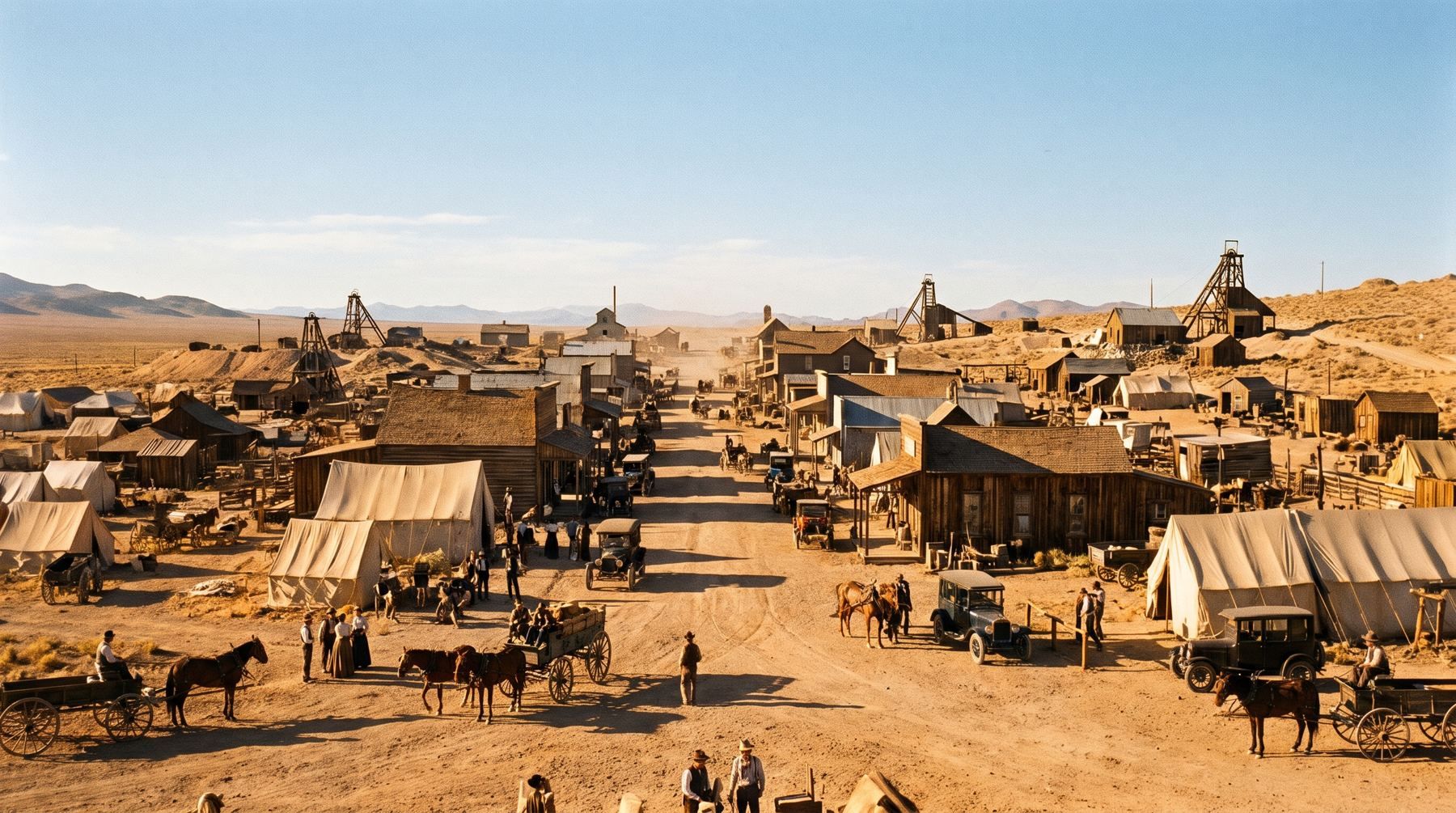
Raising outside capital proved difficult because investors remained cautious following the decline of the Comstock Lode. Timber and water were scarce, and no railroad reached the district. Butler and his partners began granting verbal leases for 10,000-square-foot parcels to working miners. By 1901, they had issued over 100 verbal leases.
On July 1, 1901, Butler and his partners sold the claims to Philadelphia capitalists who organized the Tonopah Mining Company. By the end of 1901, the settlement supported 32 saloons, two dance halls, a newspaper, and two churches. The Tonopah strike triggered rushes across the region, including the nearby boom documented in Forty-Two Rounds in Goldfield Under the Desert Sun.
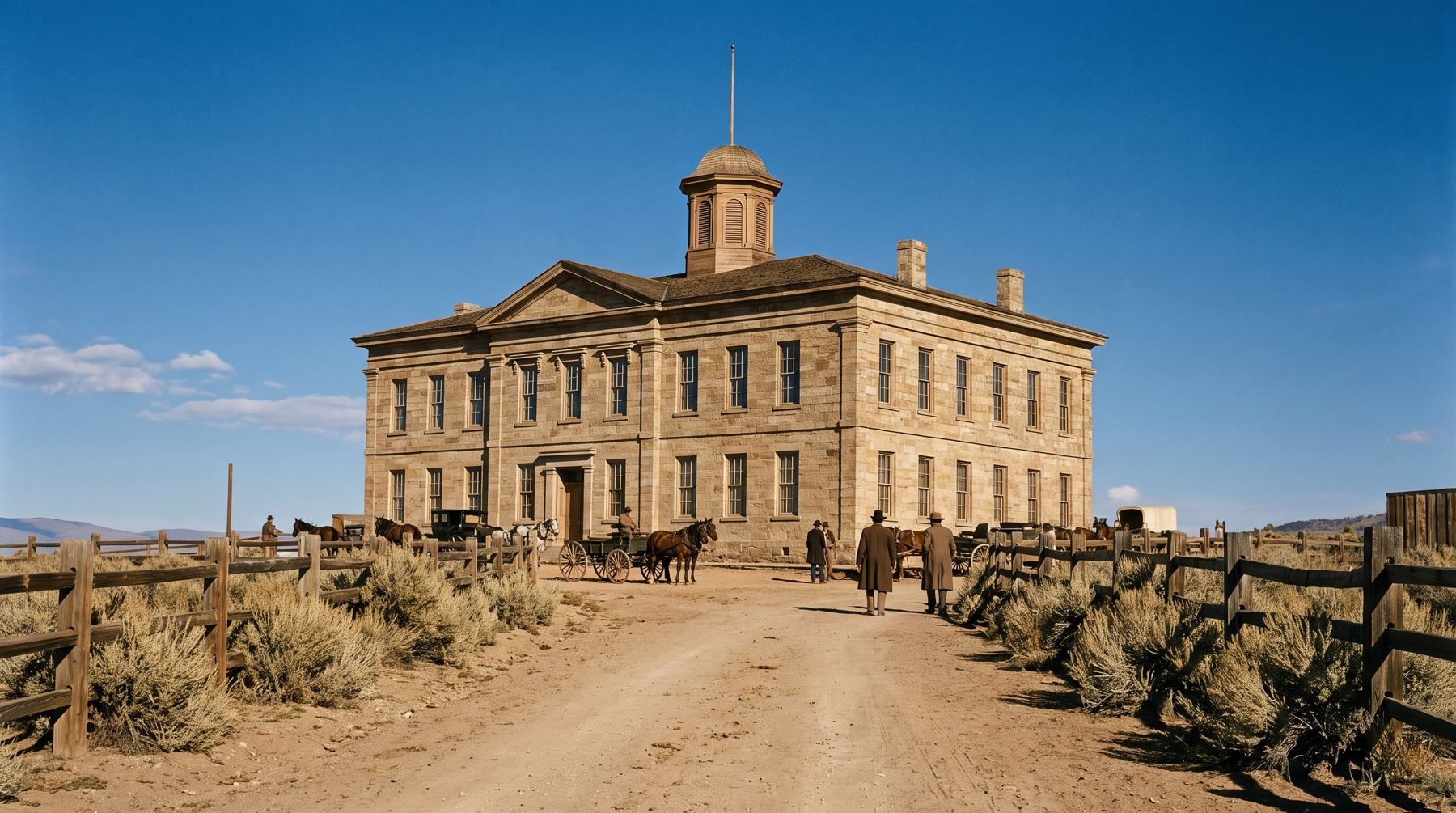
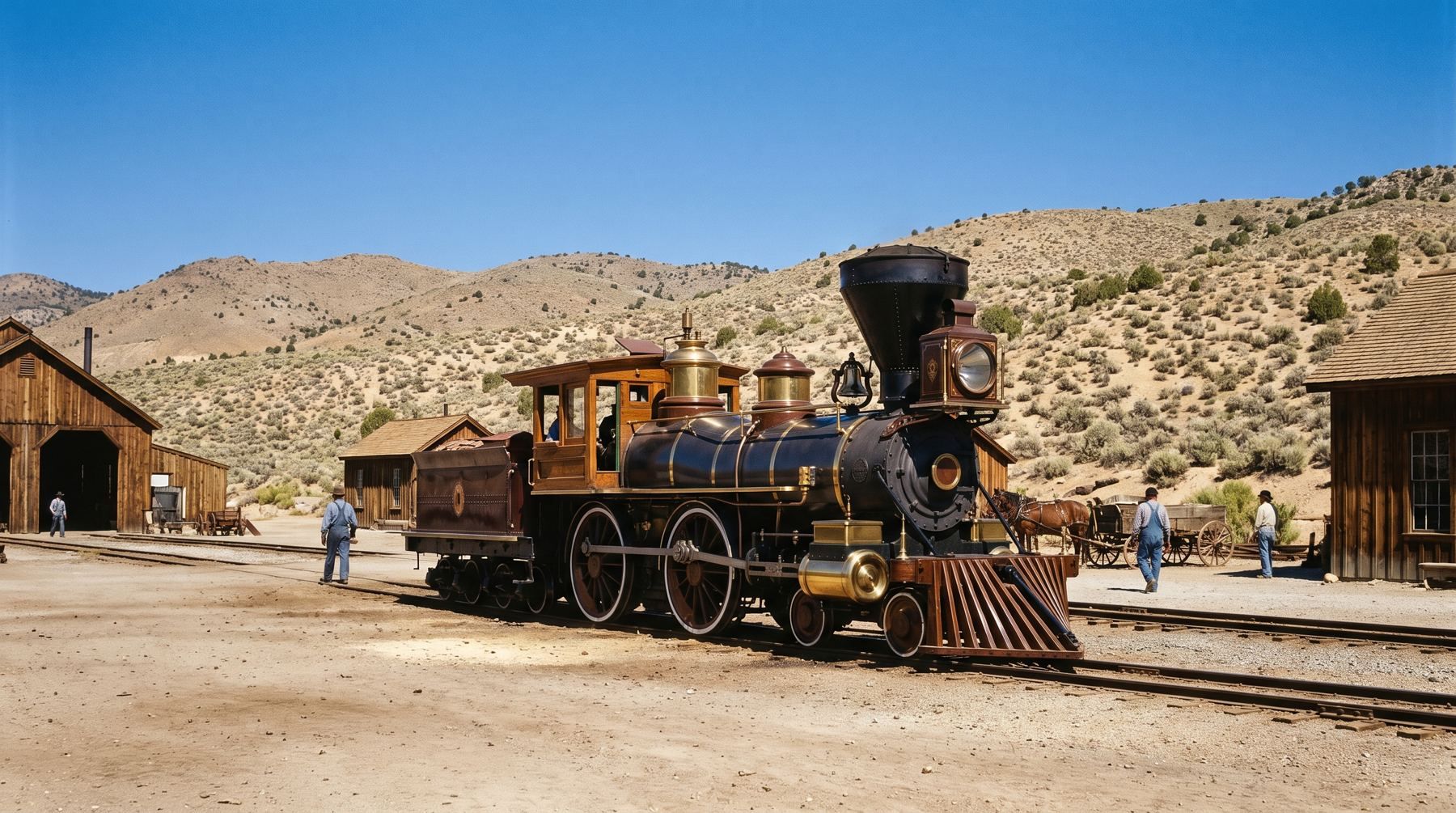
Early wagons hauled ore 63 miles west to Sodaville on an arduous two-day freight route. Freight quickly overwhelmed the wagon teams. The narrow-gauge Tonopah Railroad reached Sodaville on July 23, 1904, and standard-gauge track opened in August 1905. That same year, Tonopah took the Nye County seat from Belmont.
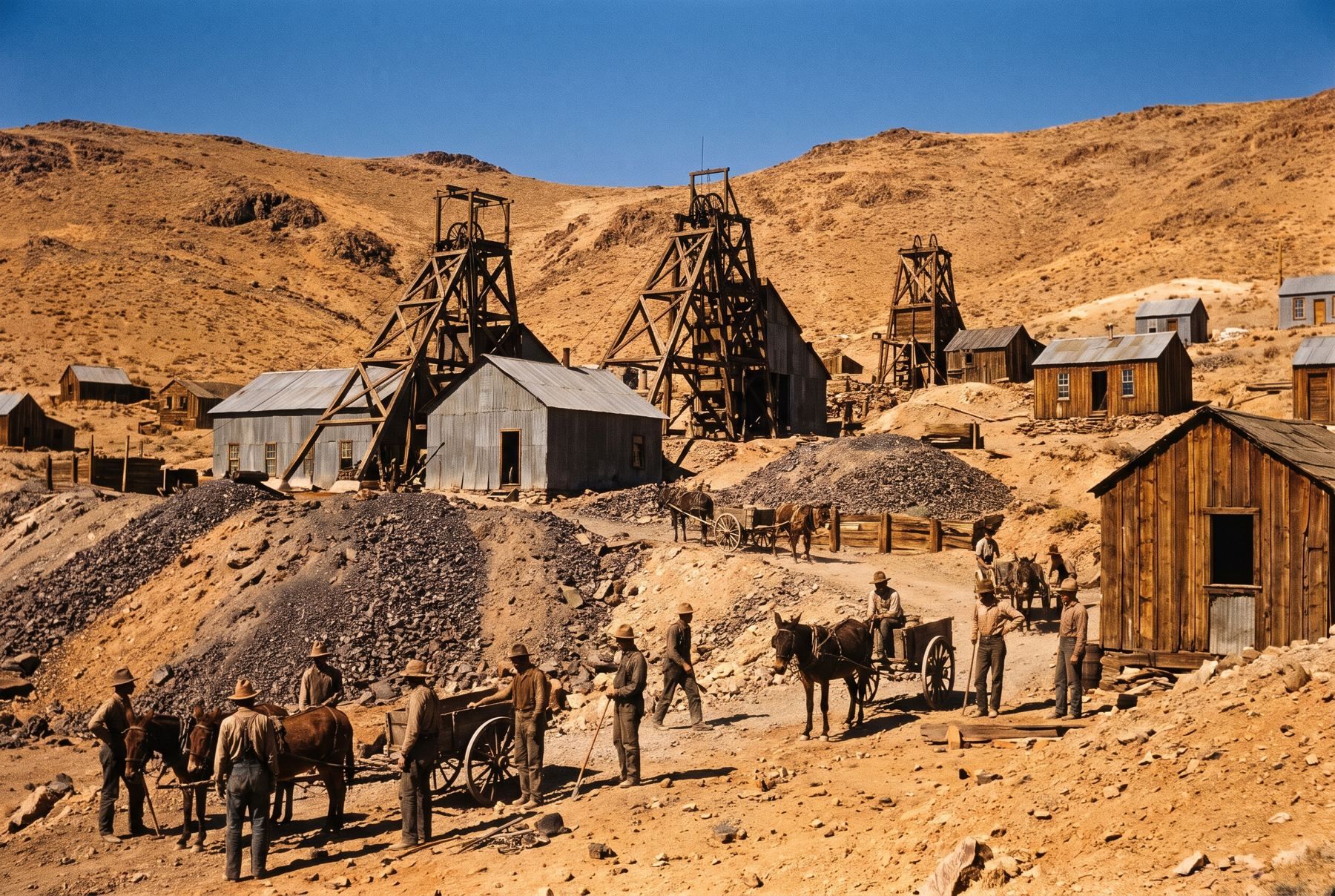
Stone Towers and Millions in Ore
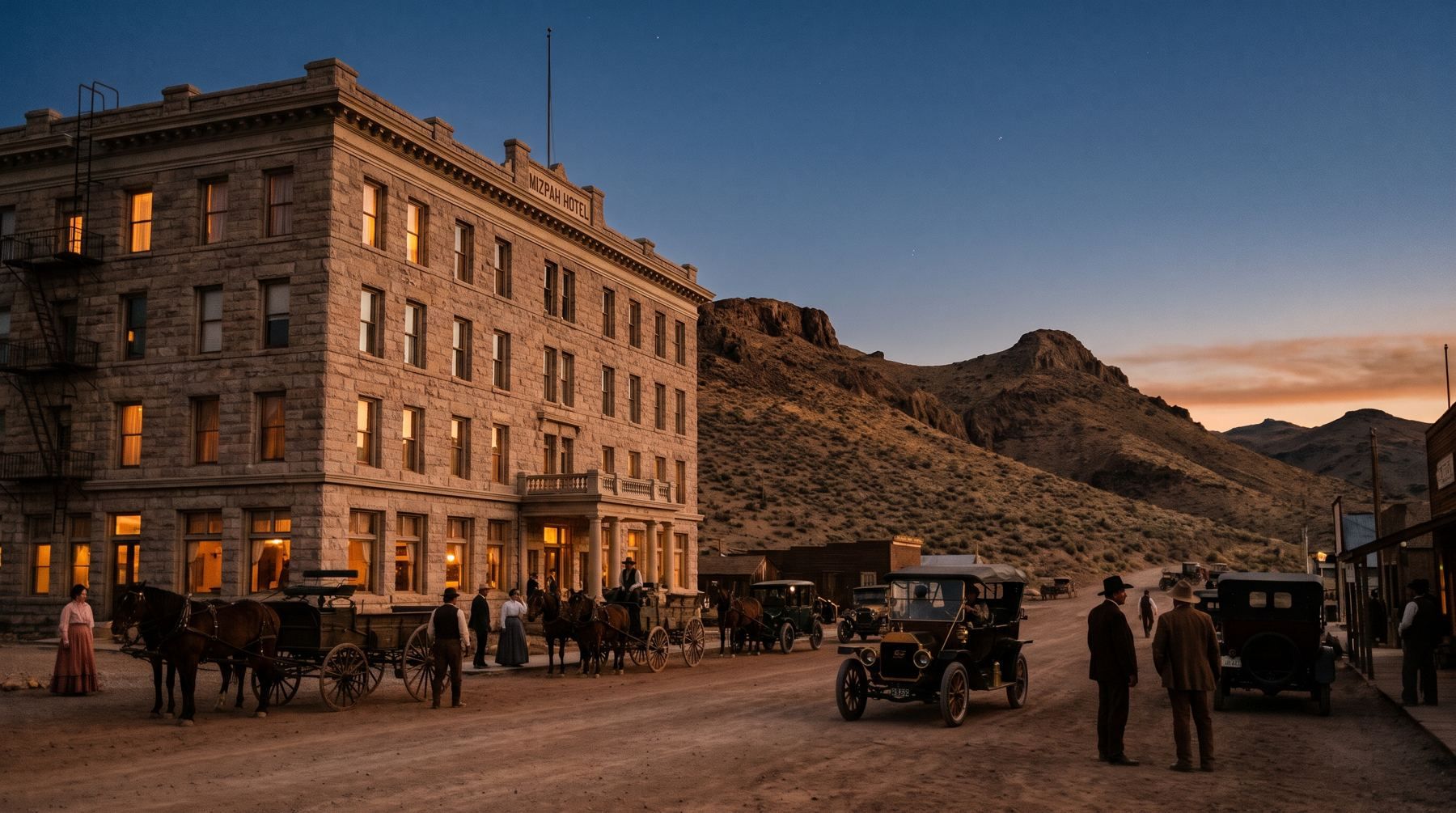
In April 1905, the Big Casino opened with a restaurant, saloon, and dance hall. Construction on the Mizpah Hotel began in 1907. When the hotel held its grand opening in November 1908, it offered steam heat, electric lights, oak furnishings, and an electric elevator.
For more than a decade, the five-story Mizpah and what is now the nearby Belvada Hotel were tied as the tallest buildings in Nevada. The population of Tonopah fluctuated between 5,000 and 10,000 during the first decade of the century, with the 1910 census recording 3,900 residents.
Between 1901 and 1941, Tonopah produced a gross yield of $147,564,015.
State and federal political careers launched from the town. Key Pittman secured passage of the Pittman Act in 1918, which guaranteed silver producers a minimum price of one dollar per ounce. In that peak year of 1918, the Tonopah district produced 622,364 tons of ore worth $9,311,560.
Patrick McCarran arrived from Reno in 1905 to practice defense law, later serving on the Nevada Supreme Court from 1913 to 1918 before his 1932 election to the U.S. Senate. George Wingfield built a statewide banking and political network on his Tonopah and Goldfield fortunes.
Production dropped after the Pittman Act expired. By 1930, the district yield fell to $162,841, and deep depression settled over the community by 1940. Military spending brought temporary revivals, beginning with the Tonopah Army Air Force Base in July 1942, followed by the 1952 establishment of the Tonopah Test Range and the Nevada Test Site, detailed in Atomic Tourism and the Las Vegas Mushroom Clouds.
Tailings, Plague, and the Mine Fire
At the north end of town, the Old Tonopah Cemetery was established in 1901 directly on silver mining tailings. At one point, shifting mine tailings buried the graves and wooden markers completely. By 1911, the town had outgrown the tiny plot and opened a larger municipal cemetery.
Nearly 300 people were buried in the original cemetery during its ten active years. Many died from rough frontier conditions and the health hazards of early underground mining. A mysterious illness known as the Tonopah Plague swept the camp in 1902, claiming dozens of early miners.
Other graves mark the disaster of February 12, 1911, when fire broke out deep inside the Belmont Mine. William "Big Bill" Murphy, 28 years old, made repeated trips into the smoke-filled shaft to rescue fellow workers before dying underground. Another plot holds Nye County Sheriff Thomas Logan, killed during a shoot-out in a Manhattan bordello.
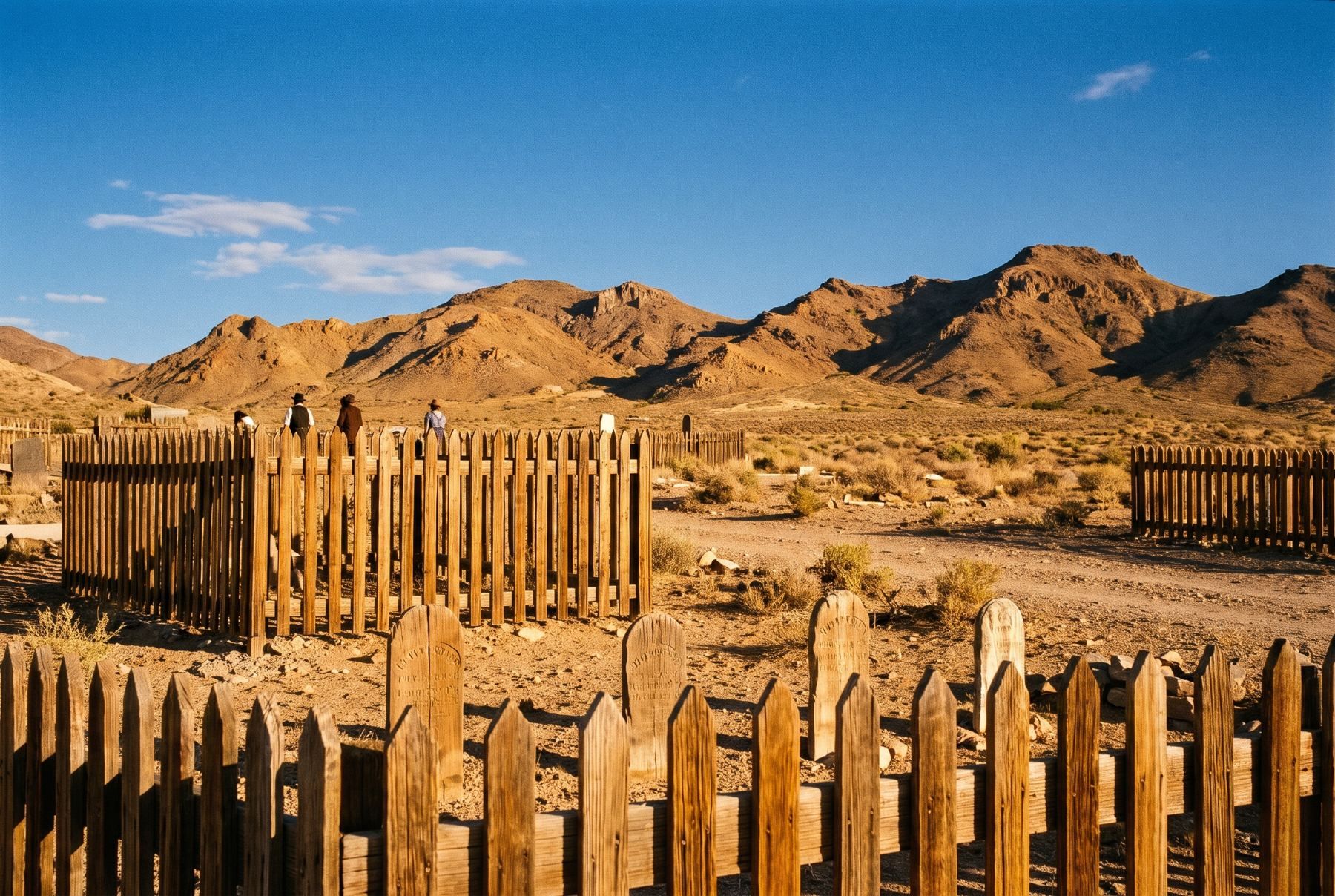
The Cemetery Steps and the Clowns Today
Directly beside the weathered wood fences of the Old Tonopah Cemetery stands The Clown Motel at 521 N. Main Street. The property features 31 guest rooms and a collection of more than 6,500 clown figurines from around the world. Rooms 108, 111, 210, and 214 are regular stops for ghost hunters exploring the cemetery boundary.
The cemetery at 917 N. Main Street is open 24 hours a day with free admission supported by public donations. Walking tour maps describe the epitaphs, which include fallen hoist operators and volunteer rescuers.
Down the street at 100 Main Street, the Mizpah Hotel reopened in 2011 after a long closure that began around 2000. Restored by Fred and Nancy Cline, it remains the lone Nevada property on the Historic Hotels of America register. It operates the Pittman Cafe on the ground floor and preserves the historic Lady in Red suite on its upper levels.
Travelers making the Reno to Las Vegas Drive via US-95 pass directly between the two properties on Main Street. The Tonopah Historic Mining Park and the Central Nevada Museum continue to interpret the town where Butler's strike launched Nevada into the twentieth century.